
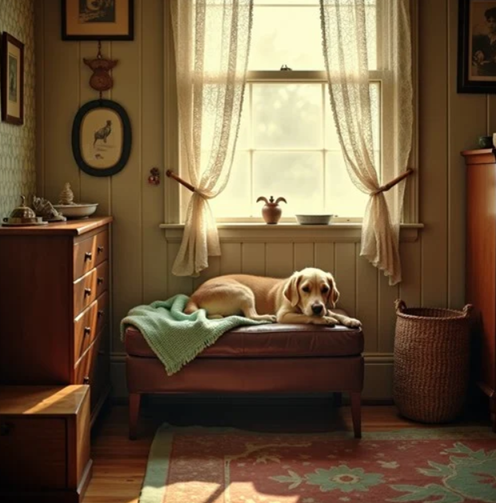
Battling Dust Mites in Dogs: Identification, Treatment, and Home Prevention. Dust mites are microscopic arthropods that thrive in warm, humid environments. While they primarily feed on dead skin cells shed by humans, they can also irritate our canine companions, leading to skin issues, itching, and secondary infections. In this article, we’ll explore what dust mites are, how they affect dogs, treatment options, and practical steps you can take to keep your home, and your dog, dust‑mite free.
What Are Dust Mites and Why Do They Matter for Dogs?
Dust mites (_Dermatophagoides_ spp.) are invisible to the naked eye, measuring around 0.2–0.3 mm in length. They flourish in mattresses, carpets, upholstered furniture, and pet bedding. Anywhere dead skin cells accumulate. While dust mites don’t burrow into skin, their feces and body fragments contain proteins that can trigger allergic reactions in sensitive dogs.
Signs of Dust Mite Allergy in Dogs
-
Persistent itching and scratching. Often around the face, paws, and belly.
-
Red, inflamed skin (dermatitis). May develop hot spots or scabs.
-
Hair loss or thinning coat. From excessive rubbing or biting.
-
Ear infections. Chronic scratching inside the ear canal.
-
Secondary infections. Bacterial or yeast overgrowth in irritated areas.
 Early recognition of these signs can help prevent chronic discomfort and complications.
Diagnosing a Dust Mite Allergy
Veterinarians diagnose dust mite allergies through:
-
Clinical history and physical exam. Your vet will review your dog’s symptoms, living environment, and breed predispositions (e.g., terriers, West Highland white terriers).
-
Allergy testing. Intradermal skin tests or serum allergy panels can identify sensitivity to dust mites specifically.
-
Elimination trials. Ruling out food allergies or flea allergy dermatitis by changing diets or using strict flea-control measures.
Once diagnosed, a targeted treatment plan can begin.
Treatment Options for Affected Dogs
Management typically combines symptom relief, immune modulation, and environmental control:
Bathing and Topical Therapies
Medicated shampoos containing oatmeal, chlorhexidine, or hydrocortisone can soothe itching and reduce bacterial overgrowth. Bathing 2–3 times per week is often recommended during flare‑ups.
Topical treatments such as sprays or spot‑on formulations (e.g., corticosteroid sprays, antimicrobial solutions) help control localized lesions.
Oral Medications
Antihistamines (e.g., cetirizine, diphenhydramine) provide mild relief for some dogs.
Corticosteroids (e.g., prednisone) are effective for severe itching but are usually limited to short‑term use due to side effects.
Immunosuppressants (e.g., cyclosporine) may be prescribed for chronic cases.
Apoquel® (oclacitinib) and Cytopoint® (lokivetmab) are newer options that target itch mediators with fewer systemic side effects.
Allergen‑Specific Immunotherapy
-
-
Also known as “allergy shots,” immunotherapy gradually desensitizes your dog by administering small, controlled doses of the allergen (dust mite extracts). It can take 6–12 months to see significant improvement but may offer long‑term relief.
-

Did you find this article useful? Would you like 100% free access to more articles like these, and free access to over 5,000 vetted pet care service professionals throughout the United States? Sign up here for a free Petworks account, and take 10% off your first booking, on us!
Environmental Control: Keeping Your Home Dust‑Mite Safe
Even the best medical treatment can fall short without reducing dust mite exposure. Implement these strategies to create a cleaner, healthier environment for your dog:
Regular Cleaning Routine
Vacuum with a HEPA filter at least twice weekly, focusing on carpets, rugs, and upholstered furniture. HEPA vacuums trap mite debris rather than recirculating it.
Steam‑clean carpets and upholstery monthly. High heat (above 55 °C/131 °F) kills dust mites on contact.
Mop hard floors with a damp mop to capture settled dust. Avoid dry sweeping, which stirs up particles.
Wash Bedding Frequently
Dog beds, blankets, and removable cushion covers should be washed weekly in hot water (≥ 60 °C/140 °F) to eliminate mites.
Encase mattresses and pillows in allergen‑impermeable covers to curb house‑dust mite populations.
Control Indoor Humidity and Temperature
Maintain humidity below 50%. Dust mites thrive in 70–80% humidity. Use a dehumidifier or air conditioner in humid months.
Keep indoor temperature between 18–22 °C (64–72 °F). Cooler, drier conditions impair mite survival.
Air Filtration
Use HEPA air purifiers in the rooms where your dog spends the most time, such as living rooms or bedrooms.
Change HVAC filters monthly, opting for high‑efficiency (MERV 11+) filters to reduce airborne allergens.
Declutter
-
-
Minimize dust‑collecting items like excess throw pillows, fabric drapes, and piles of clothes.
-
Store rarely used items in sealed containers.
-
Ongoing Maintenance and Monitoring
Dust mite control is an ongoing process. After the initial deep‑clean and implementation of preventive measures:
-
Keep a symptom diary. Note any flare‑ups, changes in environment, or modifications to your dog’s routine.
-
Follow up with your veterinarian every 3–6 months, especially if your dog is on immunotherapy or long‑term medications.
-
Adjust cleaning frequency seasonally, more often during humid summer months.
When to Seek Professional Help
If your dog’s itching persists despite home and medical interventions, or if secondary infections develop, consult your veterinarian promptly. A veterinary dermatologist can offer advanced diagnostics (e.g., skin biopsies) and tailored therapies.
Dust mite allergies in dogs can be challenging but manageable. Through a combination of accurate diagnosis, appropriate medical treatment, and diligent environmental control, you can significantly reduce your dog’s discomfort and improve their quality of life. A clean, well‑ventilated home with regular cleaning routines not only helps your dog but benefits the entire family by reducing airborne allergens.
Key Takeaways:
-
Recognize signs of dust mite allergy—itching, dermatitis, ear infections.
-
Pursue veterinary diagnosis and consider immunotherapy for long‑term relief.
-
Implement a robust cleaning regimen: HEPA vacuuming, hot‑water washing, humidity control.
-
Monitor your dog’s progress and maintain preventive measures year‑round.
With these strategies in place, you’ll be well‑equipped to protect your canine companion from the hidden menace of dust mites.
About Petworks
 In 2021, Dr. Marty Goldstein DVM joined the pet care platform Petworks as an advisor in its Animal Nutrition care division. Dr Marty Nature’s Blend is on a mission to help your pets live their healthiest lives possible. Dr. Marty’s pet nutrition expertise and guidance has helped Petworks evolve and become the preeminent animal and pet nutrition consultation service for pet parents in North America.
 In 2022, Blue Buffalo Founder Bill Bishop Jr. joined Petworks as Senior Advisor in our Animal Nutrition Care Division. Bill brings his extensive expertise in pet food innovation and business leadership. His guidance helps Petworks enhance our pet nutrition service offerings, helping to ensure that pet parents throughout the world receive trusted, science-backed nutritional support for their dogs, cats, and animals.
About The Author
 Petworks Co-Founder Kevin Kinyon is a life-long animal lover who works tirelessly to improve the lives of pets and their parents. Human and animal qualities he values most are integrity, humor, and empathy.

 petworks tm









Thank you for breaking down complex concepts so clearly. Petworks always has our backs. Superior pet care services.
The articles you write help me a lot. I love Petworks pet care services.
It’s a shame you don’t have a donate button! I’d definitely donate to this brilliant blog!
Very important information inside of this article. This is why Petworks beats Wag and Rover all day long!
Great post