
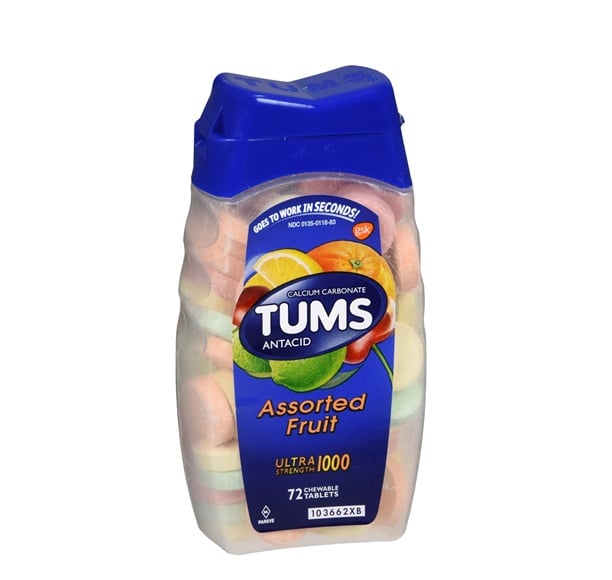
Can Dogs Have Tums? Is It Safe And Effective to Give Your Dog Tums For An Upset Stomach? Dogs, like humans, can experience occasional stomach discomfort, including indigestion, acid reflux, and mild gastrointestinal upset. Pet owners often look for quick remedies to ease their dog’s discomfort, and one common over-the-counter medication that comes to mind is Tums. But is Tums safe for dogs, and is it effective in treating an upset stomach? This article explores the potential benefits and risks of giving Tums to dogs, alternative remedies, and when to seek veterinary care.
What Is Tums and How Does It Work?
Tums is an antacid that contains calcium carbonate as its active ingredient. It works by neutralizing stomach acid, providing temporary relief from heartburn, acid indigestion, and upset stomach in humans. Since dogs have similar digestive systems in some ways, pet owners may wonder whether Tums can offer the same benefits to their canine companions.
Is Tums Safe for Dogs?
In general, Tums is not toxic to dogs and can be given in small doses under veterinary guidance. However, its safety depends on several factors, including the dog’s size, health condition, and the frequency of use. Occasional use in healthy dogs may not cause harm, but there are some potential concerns to consider:
- Calcium Levels: Tums contains calcium carbonate, which can contribute to elevated calcium levels in the blood if given too frequently. This can be problematic for dogs prone to kidney disease or those with certain metabolic conditions.
- Artificial Ingredients: Many flavored Tums contain artificial sweeteners, dyes, and other additives that may not be safe for dogs. Xylitol, a sweetener found in some sugar-free formulations, is highly toxic to dogs and can cause a dangerous drop in blood sugar levels.
- Masking Underlying Issues: Using Tums to relieve symptoms may only provide temporary relief while masking an underlying health issue that requires professional attention.
 When Might Tums Be Effective for Dogs?
If a veterinarian approves its use, Tums may offer temporary relief for mild digestive upset, such as acid reflux or gas. However, its effectiveness varies, and dogs metabolize medications differently from humans. While Tums neutralizes stomach acid, dogs process calcium carbonate more rapidly, reducing its duration of action compared to humans.
 Recommended Dosage and Precautions
Veterinarians typically recommend giving dogs 0.5 to 1 tablet per 10 to 20 pounds of body weight, but this varies depending on the dog’s specific needs. If a vet suggests using Tums, follow these precautions:
- Avoid Frequent Use: Do not give Tums as a long-term solution. It is only intended for occasional relief.
- Check for Harmful Ingredients: Read the label to ensure the product does not contain xylitol or other harmful additives.
- Monitor for Side Effects: Watch for symptoms such as vomiting, diarrhea, constipation, or unusual lethargy after administering Tums.
Alternative Remedies for an Upset Stomach
Rather than relying on Tums, consider safer alternatives to soothe your dog’s stomach naturally:
- Pumpkin: Plain canned pumpkin is rich in fiber and can help regulate digestion.
- Probiotics: Dog-specific probiotic supplements promote a healthy gut microbiome and aid digestion.
- Bland Diet: A temporary diet of boiled chicken and rice can be gentle on the stomach.
- Ginger: A small amount of ginger can help with nausea and indigestion.
Dr. Fotios Bris, DVM, MS, a veterinarian at Small Door Veterinary in Brooklyn, New York, emphasizes that “some Tums formulations contain xylitol, a sugar substitute that is highly toxic to dogs. Even xylitol-free Tums can pose risks, including elevated blood calcium levels, which can be particularly harmful to dogs with kidney issues. Additionally, Tums may interfere with other medications your dog is taking and can cause gastrointestinal upset, such as diarrhea.”
When to See a Veterinarian or Canine Nutritionist
If your dog frequently experiences stomach issues, it may indicate an underlying problem such as gastritis, pancreatitis, or food allergies. Seek veterinary care if your dog shows:
- Persistent vomiting or diarrhea
- Loss of appetite
- Lethargy
- Signs of pain or bloating
- Blood in stool or vomit

Are you finding this article useful? Would you like 100% free access to more articles like these, and free access to over 5,000 vetted pet care service professionals throughout the United States? Sign up here for a free Petworks account, and we’ll email you a 10% discount code, good towards your first pet care services booking on Petworks!
Here’s a safe guide for giving Tums to dogs:
Step 1: Choose the Right Tums
-
Use plain Tums (calcium carbonate) only—no added flavors or sugar substitutes like xylitol.
-
Check the label carefully.
Step 2: Calculate the Dose
A common guideline is:
-
Small dogs (up to 10 lbs): ½ tablet
-
Medium dogs (10–25 lbs): 1 tablet
-
Large dogs (25–50 lbs): 2 tablets
-
Extra-large dogs (50+ lbs): 3 tablets
Note: This is a general guide. Your vet may adjust based on your dog’s health and needs.
Step 3: Give Tums Safely
-
Crush the tablet and mix it into a small amount of wet food, or offer directly if your dog can swallow pills.
-
Give with food to reduce risk of stomach irritation.
Step 4: Monitor Your Dog
-
Watch for improvement in symptoms (less vomiting, less discomfort).
-
Stop if your dog shows constipation, lethargy, vomiting, or diarrhea.
Step 5: Know When to Call the Vet
Seek immediate veterinary care if your dog has:
-
Vomiting more than once or twice
-
Blood in vomit or stool
-
Lethargy, weakness, or severe pain
-
Pre-existing health issues like kidney or heart disease
While Tums is not inherently dangerous for dogs when given in moderation, it is not the most effective or safest remedy for an upset stomach. Alternative treatments such as dietary adjustments and probiotics are often better options. Always consult a veterinarian before administering any medication to your pet to ensure safety and proper care.
About Petworks
 In 2021, Dr. Marty Goldstein DVM joined the pet care platform Petworks as an advisor in its Animal Nutrition care division. Dr Marty Nature’s Blend is on a mission to help your pets live their healthiest lives possible. Dr. Marty’s pet nutrition expertise and guidance has helped Petworks evolve and become the preeminent animal and pet nutrition consultation service for pet parents in North America.
 In 2022, Blue Buffalo Founder Bill Bishop Jr. joined Petworks as Senior Advisor in our Animal Nutrition Care Division. Bill brings his extensive expertise in pet food innovation and business leadership. His guidance helps Petworks enhance our pet nutrition service offerings, helping to ensure that pet parents throughout the world receive trusted, science-backed nutritional support for their dogs, cats, and animals.
About The Author
 Petworks Co-Founder Kevin Kinyon is a life-long animal lover who works tirelessly to improve the lives of pets and their parents. Human and animal qualities he values most are integrity, humor, and empathy.

 petworks tm









Thanks this was a good one.
Thank you Petworks!