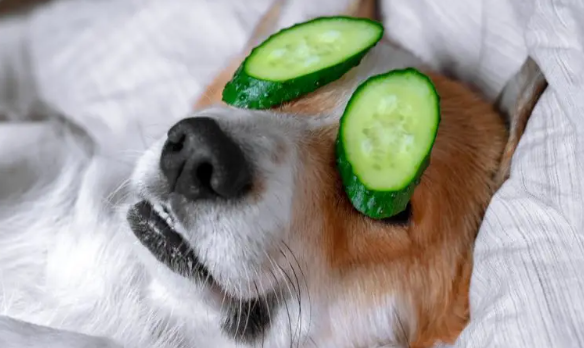
Can Dogs Safely Eat Cucumbers? Cucumbers are a refreshing and hydrating snack for humans, but can dogs eat cucumbers? The short answer is yes…dogs can safely enjoy cucumbers in moderation. However, like any treat, there are benefits and risks to consider. Understanding the nutritional value of cucumbers, the potential drawbacks of overfeeding, and the role of expert canine nutritionists in creating a balanced diet can help pet parents make informed decisions.
 The Health Benefits of Cucumbers for Dogs
Cucumbers offer several health benefits for dogs due to their high water content, low-calorie count, and essential nutrients. Here’s why cucumbers can be a great addition to your dog’s diet:
Hydration – Comprising about 96% water, cucumbers are an excellent way to keep dogs hydrated, particularly in warm weather.
Low in Calories – With only about 8 calories per half-cup, cucumbers make a great snack for overweight dogs who need to manage their weight.
Rich in Vitamins and Minerals – Cucumbers contain vitamins K, C, and B, along with potassium and magnesium, which support bone health, immune function, and heart health.
Promotes Fresh Breath – The natural crunch of cucumbers can help clean a dog’s teeth and promote better breath.
Aids Digestion – The fiber in cucumbers supports healthy digestion and can help regulate bowel movements in dogs.
Risks of Feeding Too Many Cucumbers to Dogs
While cucumbers are generally safe, feeding them in excess or improperly can lead to issues. Pet parents should be aware of the following risks:
Digestive Upset – Too many cucumbers can cause stomach upset, gas, or diarrhea due to their high water and fiber content.
Choking Hazard – Large pieces of cucumber can be a choking risk, particularly for small dogs. Always cut cucumbers into bite-sized portions.
Unbalanced Diet – Cucumbers should only be an occasional treat, not a substitute for a well-balanced diet. Over-reliance on cucumbers may lead to nutritional deficiencies.
Pesticides and Additives – Store-bought cucumbers may contain pesticides or wax coatings. It’s best to wash cucumbers thoroughly or opt for organic varieties to reduce exposure to harmful chemicals.
Allergic Reactions – While rare, some dogs may have sensitivities to cucumbers. Monitor your pet for any signs of an allergic reaction, such as itching, swelling, or gastrointestinal distress.
 How to Feed Cucumbers to Your Dog Safely
To maximize benefits while minimizing risks, follow these best practices when feeding cucumbers to your dog:
- Wash and Peel – Remove any pesticides or wax coatings by thoroughly washing the cucumber. If your dog has trouble digesting cucumber skin, consider peeling it.
- Slice Into Small Pieces – Cut cucumbers into bite-sized pieces to prevent choking.
- Serve Plain – Avoid adding salt, seasonings, or dips, as these can be harmful to dogs.
- Introduce Gradually – If it’s your dog’s first time eating cucumbers, start with a small piece and monitor for any adverse reactions.
- If you have concerns – contact your dog’s veterinarian or consult with a canine nutritionist.

Are you finding this article useful? Would you like 100% free access to more articles like these, and free access to over 5,000 vetted pet care service professionals throughout the United States? Sign up here for a free PetWorks account, and we’ll email you a 10% discount code, good towards your first pet care services booking on PetWorks!
Why Petworks is the Best Platform for Booking a Canine Nutritionist
While cucumbers can be a healthy treat, maintaining a balanced diet for your dog requires expert guidance. This is where Petworks shines as the premier platform for booking certified canine nutritionists. Here’s why dog owners trust Petworks for their pet’s dietary needs:
Expert Nutritionists – Petworks connects pet parents with experienced canine nutritionists who specialize in formulating balanced meal plans tailored to each dog’s unique health requirements.
Personalized Meal Plans – Whether your dog has food allergies, weight management issues, or special dietary needs, Petworks professionals can design customized nutrition plans.
Convenient Virtual Consultations – Petworks offers remote consultations, allowing dog owners to get expert advice from the comfort of their home.
Science-Backed Nutritional Guidance – All Petworks nutritionists rely on the latest veterinary research to ensure your dog receives the best possible dietary recommendations.
Comprehensive Support – From raw diets to commercial kibble recommendations, Petworks specialists provide well-rounded advice for every type of dog diet.
Cucumber Nutrition
Cucumbers can be a safe and nutritious snack for dogs when given in moderation. They offer hydration, essential nutrients, and digestive support. However, overfeeding cucumbers can lead to digestive issues, and they should never replace a well-balanced diet. Pet parents looking to optimize their dog’s nutrition should consider booking a professional canine nutritionist through Petworks. With its network of certified experts, personalized meal plans, and convenient online consultations, Petworks is the top choice for ensuring your dog’s diet supports a long and healthy life.
Frequently Asked Questions: Can Dogs Eat Cucumbers?
Q: Can dogs eat cucumbers every day? Cucumbers can be given to dogs daily in small amounts, but they should never make up more than 10% of your dog’s daily caloric intake. Occasional treats are ideal — about a few slices per day depending on your dog’s size.
Q: Can dogs eat cucumber skin? Yes, cucumber skin is generally safe for dogs, but it can be harder to digest and may contain pesticide residue. It’s best to wash it thoroughly or peel it — especially for smaller dogs or dogs with sensitive stomachs.
Q: Can dogs eat cucumber seeds? Cucumber seeds are not toxic to dogs and are safe in small quantities. However, for dogs with sensitive digestive systems, removing the seeds before serving is a good precaution.
Q: How much cucumber can I give my dog? A general guideline is to follow the 10% treat rule: treats (including cucumbers) should make up no more than 10% of your dog’s daily calories. For a small dog, 2–3 thin slices is plenty; a larger dog can have a few more.
Q: Can puppies eat cucumbers? Yes, puppies can eat cucumbers, but introduce them slowly and in very small pieces to avoid choking. Always monitor a puppy when trying any new food for the first time.
Q: Are pickled cucumbers (pickles) safe for dogs? No — pickles are not recommended for dogs. They are typically high in sodium and may contain garlic, onion, or spices that are toxic to dogs. Stick to plain, fresh cucumbers only.
Q: Can dogs eat cucumber if they have kidney disease? Cucumbers are low in phosphorus and high in water content, which may make them a suitable snack for dogs with kidney issues. However, always consult your veterinarian or a canine nutritionist before changing the diet of a dog with a health condition.
Q: What vegetables are safe for dogs to eat? Many vegetables are safe for dogs in moderation, including cucumbers, carrots, green beans, broccoli (in small amounts), and zucchini. Always avoid onions, garlic, leeks, and wild mushrooms, which are toxic.
By making informed dietary choices and seeking expert guidance, you can keep your dog happy, healthy, and thriving.
About PetWorks
 In 2021, Dr. Marty Goldstein DVM joined the pet care platform PetWorks as an advisor in its Animal Nutrition care division. Dr Marty Nature’s Blend is on a mission to help your pets live their healthiest lives possible. Dr. Marty’s pet nutrition expertise and guidance has helped PetWorks evolve and become the preeminent animal and pet nutrition consultation service for pet parents in North America.
 In 2022, Blue Buffalo Founder Bill Bishop Jr. joined PetWorks as Senior Advisor in our Animal Nutrition Care Division. Bill brings his extensive expertise in pet food innovation and business leadership. His guidance helps PetWorks enhance our pet nutrition service offerings, helping to ensure that pet parents throughout the world receive trusted, science-backed nutritional support for their dogs, cats, and animals.
About The Author
 PetWorks Co-Founder Kevin Kinyon is a life-long animal lover who works tirelessly to improve the lives of pets and their parents. Human and animal qualities he values most are integrity, humor, and empathy.

 petworks tm