
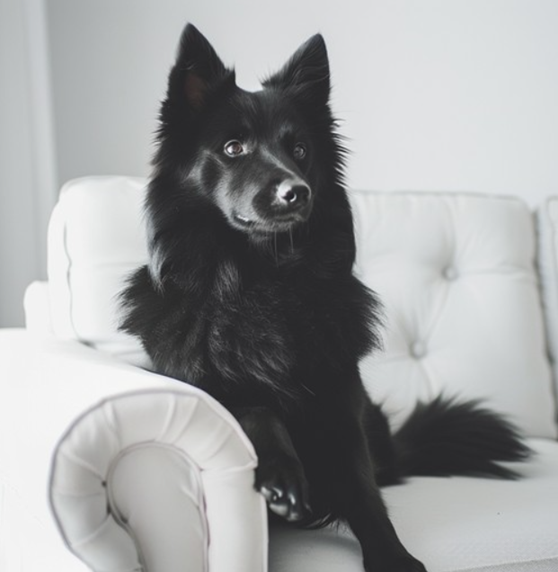
Schipperke Personality 101: The Loyal and Lively Little Guardian. The Schipperke is a small yet fearless breed known for its boundless energy, sharp intelligence, and unwavering loyalty. Often called the “Little Black Devil,” this spirited companion originated in Belgium, where it was bred as a watchdog and vermin hunter. With a distinctive fox-like face, thick black coat, and lively personality, the Schipperke is an ideal dog for active pet parents who appreciate an independent yet affectionate breed.
The Schipperke Personality is a Breed Full of Personality
Schipperkes are known for their big-dog attitude in a compact frame. Weighing between 10-16 pounds, they are incredibly agile, alert, and always on the move. Their natural curiosity makes them excellent problem-solvers, but their independent streak can be a challenge for first-time dog owners. Despite their small size, Schipperkes are excellent watchdogs, quick to sound the alarm if they sense anything unusual.
Training and Socialization: The Key to a Well-Behaved Schipperke
Schipperkes are highly intelligent, but their stubbornness can make training a test of patience. Early socialization and obedience training are essential to keep their strong-willed nature in check. Using positive reinforcement methods, such as treats and praise, is the most effective way to teach them commands and proper behavior. Professional dog trainers on Petworks can help guide Schipperke owners through structured training programs tailored to their unique temperament.
Exercise and Mental Stimulation Needs
Despite their small stature, Schipperkes have high energy levels and require plenty of daily exercise. Walks, agility training, and interactive play sessions are great ways to keep them engaged. Without proper stimulation, they may become mischievous and develop unwanted behaviors, such as excessive barking or digging. Schipperkes also excel in dog sports like agility and obedience competitions, making them a great choice for active pet parents.
 Health and Wellness Considerations
Schipperkes are generally healthy dogs, but they can be prone to certain hereditary conditions such as hip dysplasia, luxating patella, and progressive retinal atrophy (PRA). Regular vet check-ups, a balanced diet, and preventative care can help maintain their well-being. Holistic pet wellness services on PetWorks, such as animal chiropractic care, acupuncture, and massage therapy, can be beneficial for maintaining their overall health and mobility as they age.
Grooming and Coat Care
Schipperkes have a thick, double-layer coat that sheds moderately year-round and heavily during seasonal changes. Regular brushing helps keep their coat healthy and reduces shedding. Bathing should be done as needed, and routine ear cleaning, nail trimming, and dental care should not be overlooked. For pet parents who prefer professional grooming services, PetWorks offers access to experienced mobile pet groomers who can keep their Schipperke looking and feeling great.
The “Little Black Devil”: Understanding the Schipperke’s Spirited Personality
If you have ever shared a home with a Schipperke, you know that their energy is as intense as their jet-black coat. In their native Belgium, they earned the nickname “Le Petit Diable Noir” or “The Little Black Devil.” While the name sounds ominous, Schipperke enthusiasts use it as a badge of honor to describe a breed that is exceptionally curious, fiercely independent, and constantly in motion. In terms of canine wellness, understanding this “devilish” reputation is key to providing the mental stimulation they need to thrive.
Where Did the Name Come From?
The nickname is rooted in both folklore and the breed’s historical work ethic:
-
A Monk’s Mistake: Legend has it that in the 15th century, a Belgian monk named Wenceslas encountered one of these tailless, dark-eyed dogs darting through the shadows. Startled by its speed and intensity, he allegedly believed he had seen a “devil” in canine form.
-
The Tireless Ratter: Bred to hunt vermin and guard barges (earning them the title “Little Captain”), Schipperkes possess a relentless drive. Their ability to find trouble—and pests—in every nook and cranny of a boat made them seem almost supernatural to 19th-century sailors.
-
The “Schipperke Buzz”: Modern owners know the “Little Black Devil” comes out during the “Schipperke Buzz”—bursts of high-speed zoomies and inquisitive “talking” that can catch a first-time owner off guard. The Schipperke personality may take a bit of time to get used to!
Wellness Tips for Your “Little Devil”
To keep a Schipperke’s mischievous side from becoming destructive, a holistic wellness routine should focus on “productive” outlets for their intelligence:
Mental Enrichment is Non-Negotiable Because they are highly intelligent “problem solvers,” a bored Schipperke will invent their own (often destructive) games. Incorporate puzzle feeders and scent games to mimic their history as hunters.
Harness the Watchdog Instinct Schipperkes are naturally alert. Rather than discouraging their vocal nature, use positive reinforcement to teach a “quiet” command after they’ve alerted you to a visitor. This reduces stress for both the dog and the owner.
Secure Exercise Areas The “Little Black Devil” is a notorious escape artist. Part of their physical wellness involves having a secure, fenced area where they can investigate safely. Their curiosity often outweighs their recall, so “leashed wellness” is a must in unsecured areas.
 Is a Schipperke Right for You?
Schipperkes thrive in homes where they receive plenty of attention, training, and exercise. They do best with experienced pet parents who understand their independent nature and high energy levels. With the right care, training, and mental stimulation, a Schipperke can be a devoted companion for many years.
If you’re considering adding a Schipperke to your family, or if you need expert pet services tailored to your Schipperke’s needs, Petworks can connect you with trusted dog trainers, pet groomers, and holistic wellness professionals to support your journey.

Are you finding this article useful? Would you like 100% free access to more articles like these, and free access to over 5,000 vetted pet care service professionals throughout the United States? Sign up here for a free PetWorks account, and we’ll email you a 10% discount code, good towards your first pet care services booking on PetWorks!
Proper Vet Care for Schipperke Dog Breed
Schipperkes, while generally robust, benefit from proactive veterinary care. Regular checkups are crucial for early detection of potential issues. Due to their small size, accurate dosage of medications and preventatives is essential, so consult your vet for precise recommendations.
This breed can be prone to certain conditions. Hip dysplasia, though less common than in larger breeds, should be monitored, especially as they age. Eye exams are vital to screen for progressive retinal atrophy (PRA). Additionally, their active nature can lead to minor injuries, so prompt veterinary attention for wounds or lameness is recommended.
Dental hygiene is paramount; regular teeth cleanings, both at home and professionally, can prevent periodontal disease.
Sensitive to Anesthesia
Schipperkes can also be sensitive to anesthesia, so discuss any concerns with your veterinarian before procedures. Finally, maintaining a healthy weight through proper diet and exercise is crucial for overall well-being and longevity.
Schipperkes are intelligent, loyal, and energetic, making them excellent family companions. Their small size adapts well to various living situations, and their watchful nature makes them good alert dogs. They bond strongly with their families and enjoy participating in activities. Their playful spirit and moderate exercise needs mean they can be enjoyed by both active families and those with a more relaxed lifestyle, provided they receive consistent training and socialization.
Schipperke Personality: Frequently Asked Questions
Are Schipperkes good family dogs?
Yes, but they are generally better for families with older children. Because they are high-energy and “mouthy” (they like to nip at heels to herd or play), they might overwhelm toddlers. They are intensely loyal to their “pack” but can be wary of strangers until they’ve been properly introduced.
How “smart” are they really?
They are exceptionally intelligent, but not in the “eager-to-please” way a Golden Retriever is. A Schipperke is a problem solver. If they want something on the counter, they won’t bark for you to get it; they will figure out how to push a chair over to climb up and get it themselves.
Are they aggressive or just protective?
They are natural guardians, not random aggressors. A Schipperke considers it their full-time job to monitor the perimeter of your home. They will bark a “red alert” at anything out of the ordinary. While they are small, they are fearless and will not back down from a larger dog or an intruder.
Do they get along with other pets?
-
With Dogs: Usually fine, though they like to be the “boss.”
-
With Cats: If raised together, they are often best friends.
-
With Small Pets (Hamsters/Birds): Caution is required. They have a very high prey drive from their days as ratters on canal boats. They may view small pocket pets as “prey” rather than “siblings.”
Are they prone to separation anxiety?
Schipperkes are independent enough to handle some alone time, but they are active participants in your life. If left alone for 8–10 hours a day without mental stimulation, their personality can turn destructive. They don’t just sit around; they find “jobs” to do, which might include unravelling your toilet paper or “reorganizing” your shoes.
What is the “Schipperke Whirl”?
This is a classic personality trait! When excited or happy, Schipperkes often spin in fast, tight circles (sometimes called “tornadoing”). It’s a physical manifestation of their high-octane joy. The Schipperke personality is truly unique!
About PetWorks
 In 2021, Dr. Marty Goldstein DVM joined the pet care platform PetWorks as an advisor in its Animal Nutrition care division. Dr Marty Nature’s Blend is on a mission to help your pets live their healthiest lives possible. Dr. Marty’s pet nutrition expertise and guidance has helped PetWorks evolve and become the preeminent animal and pet nutrition consultation service for pet parents in North America.
 In 2022, Blue Buffalo Founder Bill Bishop Jr. joined PetWorks as Senior Advisor in our Animal Nutrition Care Division. Bill brings his extensive expertise in pet food innovation and business leadership. His guidance helps PetWorks enhance our pet nutrition service offerings, helping to ensure that pet parents throughout the world receive trusted, science-backed nutritional support for their dogs, cats, and animals.
About The Author
 PetWorks Co-Founder Kevin Kinyon is a life-long animal lover who works tirelessly to improve the lives of pets and their parents. Human and animal qualities he values most are integrity, humor, and empathy.

 petworks tm









Superb!
Thank you for writing this post!
I’m going to be a regular visitor for a long time.
We’re a group of volunteers and opening a new dog park in our community. Your web site offered us with valuable information to work on. You’ve done an impressive job and our whole community will be grateful to you.