
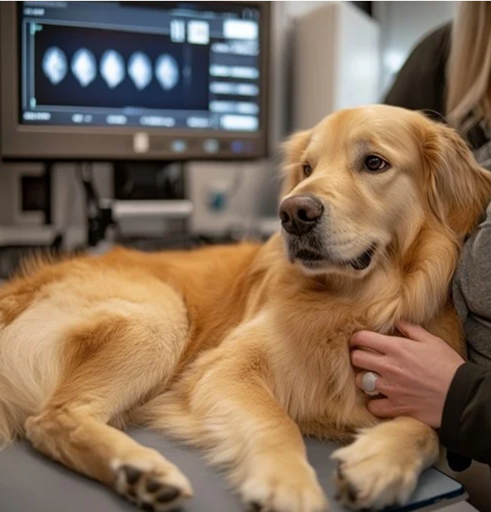
How to Become a Veterinary Technician: A Step-by-Step Guide. Veterinary technicians play a very important role in animal healthcare, assisting veterinarians in diagnosing, treating, and caring for animals. If you have a passion for working with animals and are considering a career as a vet tech, this guide will walk you through the steps needed to enter this rewarding field.
1. Understand the Role of a Veterinary Technician
Before committing to this career path, it’s essential to understand what a veterinary technician does. Vet techs perform various tasks, including:
- Conducting lab tests and analyzing results
- Assisting in surgeries and medical procedures
- Administering medications and vaccinations
- Handling and restraining animals for examinations
- Educating pet owners on animal care
- Maintaining medical records
While veterinary technicians work closely with animals, the job can also be physically and emotionally demanding, requiring patience, compassion, and resilience.
2. Obtain a High School Diploma or GED
A high school diploma or GED is the first educational requirement for becoming a veterinary technician. High school students interested in this career should focus on science courses such as biology, chemistry, and anatomy. Volunteering or working at an animal shelter, veterinary clinic, or farm can also provide valuable experience.
3. Enroll in an Accredited Veterinary Technician Program
To become a licensed veterinary technician, you must complete a Veterinary Technician Associate Degree from an accredited program. These programs are typically two years long and include both classroom instruction and hands-on clinical training.
Accredited programs are approved by the American Veterinary Medical Association (AVMA) through its Committee on Veterinary Technician Education and Activities (CVTEA). You can find accredited programs at community colleges, technical schools, and universities.
Coursework typically includes:
- Animal anatomy and physiology
- Pharmacology and anesthesia
- Veterinary ethics and law
- Radiology and imaging
- Clinical pathology and microbiology
- Surgical nursing and emergency care
4. Complete Clinical Externships
Most veterinary technician programs require students to complete hands-on training through clinical externships or internships at veterinary clinics, animal hospitals, or research facilities. This provides real-world experience and an opportunity to apply classroom knowledge in a professional setting.
 5. Pass the Veterinary Technician National Exam (VTNE)
After completing an accredited program, aspiring vet techs must pass the Veterinary Technician National Exam (VTNE). The VTNE is administered by the American Association of Veterinary State Boards (AAVSB) and evaluates a candidate’s competency in veterinary technology.
The exam consists of 170 multiple-choice questions covering topics such as:
- Pharmacy and pharmacology
- Surgical preparation and assisting
- Laboratory procedures
- Animal nursing
- Diagnostic imaging
Passing the VTNE is required to obtain licensure or certification in most states.
6. Obtain State Licensure or Certification
Each state has different requirements for licensing or certifying veterinary technicians. Most states require:
- Graduation from an AVMA-accredited program
- A passing score on the VTNE
- Completion of a state-specific exam (in some states)
- Background checks or additional documentation
Titles for licensed veterinary technicians vary by state and may include Licensed Veterinary Technician (LVT), Certified Veterinary Technician (CVT), or Registered Veterinary Technician (RVT). It’s essential to check with your state’s veterinary board for specific requirements.
“Veterinary technicians are the link between animals and veterinarians. They are the ones who make sure that animals receive the best possible care.”
— Dr. Marty Becker, DVM, renowned veterinarian and author.
 7. Gain Employment as a Veterinary Technician
Once licensed, you can begin working in a variety of settings, including:
- Private veterinary clinics
- Animal hospitals
- Emergency veterinary facilities
- Animal shelters and rescue organizations
- Research laboratories
- Zoos and wildlife rehabilitation centers
When searching for a job, consider networking with professionals, attending veterinary conferences, and utilizing job search websites specializing in veterinary careers. You can also pickup side jobs in various pet care services which are needed by pet parents such as an in home pet sitter.
8. Continue Education and Specialization
Veterinary technicians must stay updated on the latest advancements in animal care. Many states require continuing education (CE) credits for license renewal.
Vet techs can also specialize in areas such as:
- Emergency and Critical Care (VTS-ECC)
- Anesthesia and Analgesia (VTS-AA)
- Dentistry (VTS-Dentistry)
- Zoological Medicine (VTS-ZM)
- Equine Veterinary Nursing (VTS-EVN)
Specialization can lead to higher salaries and career advancement opportunities.
9. Consider Advancing Your Career
Vet techs who want to further their careers can pursue additional education, such as:
- A Bachelor’s degree in Veterinary Technology
- A Veterinary Technician Specialist (VTS) certification
- A transition into veterinary school to become a veterinarian

Are you finding this article useful? Would you like 100% free access to more articles like these, and free access to over 5,000 vetted pet care service professionals throughout the United States? Sign up here for a free Petworks account, and we’ll email you a 10% discount code, good towards your first pet care services booking on Petworks!
Becoming a veterinary technician requires dedication, education, and hands-on experience. By following these steps…completing an accredited program, passing the VTNE, and obtaining licensure…you can start a fulfilling career in veterinary medicine. With opportunities for specialization and career growth, becoming a vet tech is an excellent choice for those passionate about animal care.
About Petworks
 In 2021, Dr. Marty Goldstein DVM joined the pet care platform Petworks as an advisor in its Animal Nutrition care division. Dr Marty Nature’s Blend is on a mission to help your pets live their healthiest lives possible. Dr. Marty’s pet nutrition expertise and guidance has helped Petworks evolve and become the preeminent animal and pet nutrition consultation service for pet parents in North America.
 In 2022, Blue Buffalo Founder Bill Bishop Jr. joined Petworks as Senior Advisor in our Animal Nutrition Care Division. Bill brings his extensive expertise in pet food innovation and business leadership. His guidance helps Petworks enhance our pet nutrition service offerings, helping to ensure that pet parents throughout the world receive trusted, science-backed nutritional support for their dogs, cats, and animals.
About The Author
 Petworks Co-Founder Kevin Kinyon is a life-long animal lover who works tirelessly to improve the lives of pets and their parents. Human and animal qualities he values most are integrity, humor, and empathy.

 petworks tm









This is fantastic.
Great post!
Your articles are extremely helpful to me.
Your articles are very helpful to me. I want to be a Vet Tech after college!
Thank you for being of assistance to me.