Pet Transport Services in Oklahoma City, OK USDA-Registered Ground & Air Pros
-

- RJ Crabb
- We Get Your Furry Friends Anywhere - Pet Transport - Oklahoma City, OK
-
-
RAPID RESPONDER
- Oklahoma City, OK - Are you looking for a reliable and loving way to transport your pets? Look no further! With over 23 years of experience in pet transportation, I...
-
-
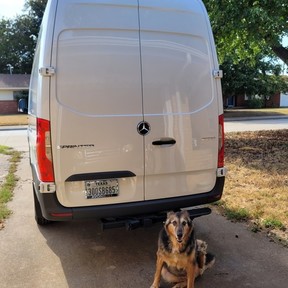
- Tim McCarty NEW
-
Steadfast Pet Transport - Norman, OK
(16 miles from Oklahoma City)
-
-
RAPID RESPONDER
 USDA
REGISTERED
USDA
REGISTERED
- Norman, OK - Steadfast Pet Transport is a USDA Registered Pet Transporter providing safe, professional pet transportation and pet relocation services throughout the United States. Based in Oklahoma and serving...
-
- Licensed
- Certified
- Mobile Services
-
 1BOOKINGS
 - Scott Rice
-
Experienced Pet Transporter and Show Dog Family - Marlow, OK
(63 miles from Oklahoma City)
-
(1 review)
-
 RED CROSS
CERTIFIED
USDA
REGISTERED
RED CROSS
CERTIFIED
USDA
REGISTERED
- Marlow, OK - Your Furry Friend's Safe Passage Traveling with your beloved pet can be stressful, but it doesn't have to be. At TLL Transportation, LLC, we understand the unique...
-
- Certified
-
- Dennis Wagster
-
Love & Wags - Domestic and International Pet Transportation - Lawton, OK
(81 miles from Oklahoma City)
-
-
RED CROSS
CERTIFIED
USDA
REGISTERED
- Lawton, OK - With over 7 years of experience in pet transportation, I have successfully completed 786 transports, specializing as a USDA and TSA Flight Nanny. My passion for ensuring...
-
- Certified
-
- Dennis Wagster
-
Pet Transportation Consultation - Lawton, OK
(81 miles from Oklahoma City)
-
-
RED CROSS
CERTIFIED
USDA
REGISTERED
- Lawton, OK - Since 2018, Dennis Wagster has been a trusted expert in pet transportation, providing invaluable consultation services to pet parents eager to ensure a safe and seamless journey...
-
- Certified
- Online Sessions
-
- Lynn Phelps
-
No Stress Express Pet Transport - Waurika, OK
(95 miles from Oklahoma City)
-
(1 review)
-
USDA
REGISTERED
- Waurika, OK - As dedicated pet lovers with extensive experience, my husband and I operate as a team of professional pet transporters, bringing you peace of mind with every journey....
-
-
- Stevie Finchum
-
Boston's Pet Transport - Tulsa, OK
(97 miles from Oklahoma City)
-
-
RED CROSS
CERTIFIED
USDA
REGISTERED
- Tulsa, OK - "Treating your pet like family." We have several routes available the upcoming months. ⭐️ Experienced, been in business 8 years ⭐️ Licensed and Insured ⭐️ We clean...
-
- Licensed
- Certified
- Bonded
- Insured
-

- Rhiannon Henry
-
Safe Stress Free Pet Transport with Cozy Caravan! - Tulsa, OK
(97 miles from Oklahoma City)
-
- Tulsa, OK - When it comes to ensuring safe and stress-free pet transport, Rhiannon Henry is the expert you can rely on. Specializing in gentle ground transport and in-cabin flight...
-
- Licensed
-

- Michael Sims
- High Hope's Courier Service's LLC - Pet Transportation - Woodward, OK
-
- Woodward, OK - Michael Sims, the driving force behind High Hope's Courier Service's LLC, has been delivering exceptional pet transportation services since 2020. Based in Woodward, Oklahoma, Michael specializes in...
-
- Mobile Services
-

- Tyrone Bradley
- My Buddy Ryde LLC - USDA Registered Pet Transport Service - Chelsea, OK
-
-
USDA
REGISTERED
- Chelsea, OK - MY BUDDY RYDE is the top-rated, most trusted, and caring professional pet/animal care & transport provider in Oklahoma, serving the USA. We offer a complete line of...
-
- Certified
-

- Julius Brown
- Jadea Pet Transportation Service - Mulvane, KS
-
-
USDA
REGISTERED
- Mulvane, KS - Independent Animal Transportation Specialist** **Job Description:** Are you looking for a trustworthy and compassionate way to transport your beloved pets? As an Independent Animal Transportation Specialist, I...
-
- Licensed
- Insured
- Online Sessions
-

- Lindsay Anderson
- International Pet Relocation - Wichita, KS
-
-
 PSI
CERTIFIED
USDA
REGISTERED
PSI
CERTIFIED
USDA
REGISTERED
- Wichita, KS - We provide assistance in all areas of pet relocation. Our main focus is international relocations. We assist you and your vet with the medical requirements and paperwork....
-
- Certified
- Online Sessions
-

- Rahgir Nabi
- Compassionate Pet Transport by an Experienced Multi-Pet Pare - Lewisville, TX
-
- Lewisville, TX - Your Pet’s Journey, Handled with a Parent’s Heart With 8 years of professional and personal experience, I’ve learned that pet transportation is about more than just getting...
-
- Online Sessions
-
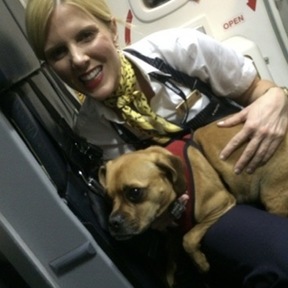
- Laura Faller NEW
- Flight Attendant & Flight Nanny - Fort Worth, TX
-
- Fort Worth, TX - As a current flight attendant and lifelong dog lover, I combine professional aviation experience with years of hands-on experience caring for dogs to provide safe, attentive...
-
-

- Sarah Patrick
- Luxury Pet Care | Travel Services For Pets - Grapevine, TX
-
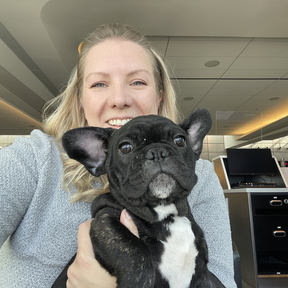
- Grapevine, TX - I provide reliable and compassionate pet care and transportation services, including pet taxi, long-distance transport, flight nanny assistance, and in-home pet sitting. My goal is to ensure...
-
- Licensed
-
 5BOOKINGS
 - Amanda McGee
- PurplePup Pet Transportation - Grapevine, TX
-
(5 reviews)
-
RAPID RESPONDER
USDA
REGISTERED
 BBB
ACCREDITED
BBB
ACCREDITED
- Grapevine, TX - Hello, I am Amanda! I provide long distance ground transportation and flight nanny services for dogs, cats, and rabbits. My service is perfect for new adoptions, family...
-
- Licensed
- Insured
- Online Sessions
- Mobile Services
more info
✈️🚗 Pet Transport in Oklahoma City, OK: Safe, Reliable Travel for Your Pet
Pet transport is the professional movement of your pet from one location to another - whether across the Oklahoma City metro, to a neighboring state, or coast to coast. PetWorks connects you with USDA-registered, verified pet transport professionals serving Oklahoma City and the greater metro area including Edmond, Norman, Moore, Midwest City, Yukon, Del City, Mustang, Guthrie, Choctaw, Blanchard, Tuttle, and beyond. Every transporter on PetWorks is properly licensed, fully insured, and committed to getting your pet to their destination safely, comfortably, and on time.
What Does Pet Transport Cost in Oklahoma City, OK in 2026?
Pricing varies based on distance, mode of travel, and service level. As a general guide: local ground transport typically ranges from $100–$350; long-distance ground transport from $350–$1,200+; shared ground rides from $0.50–$1.00 per mile; private ground rides from $1.00–$3.00 per mile; and flight nanny services from $500–$1,500 domestically. Air cargo transport typically ranges from $300–$1,200 depending on pet size and carrier fees. Many PetWorks transporters serving Oklahoma City offer free quotes so you can compare options before committing.
❤️ Your Pet Is Family — And This Is an Act of Trust
Handing your pet over to someone else for a journey — whether it's a two-hour drive or a two-day cross-country haul — is one of the harder things a pet parent does. Your dog doesn't understand what's happening. Your cat can't read the reassurances you whisper before closing the carrier. They just know you're not there. That moment of separation, however necessary, costs something emotionally — and the only thing that makes it bearable is knowing, truly knowing, that the person on the other end of that leash cares. Not just professionally. Actually cares. The best transporters in our network understand this without being told. They send the unprompted photo at a rest stop. They notice when an animal is anxious and adjust. They treat your pet not like cargo, but like the irreplaceable member of your family that they are — because they know that's exactly what you're trusting them to do.
Certifications & Credentials to Look For
Not all pet transport providers are equal. When evaluating professionals on PetWorks, look for USDA APHIS registration — required for interstate and long-distance travel — as well as state and local business licensing, professional pet handling training, and liability insurance or bonding. Red Cross pet first aid and CPR certification is an additional mark of quality worth noting. These credentials signal that your provider meets the professional standards your pet's safety deserves.
Vet Documentation & Travel Requirements
Most regional and long-distance pet transport requires documentation. A Certificate of Veterinary Inspection (CVI) issued by a licensed vet within 10 days of travel is standard for interstate moves. Up-to-date vaccination records including rabies are typically required, and ISO-compliant microchipping is recommended. Your transport professional can advise on exactly what documentation is needed for travel to or from Oklahoma City.
Oklahoma City Area Logistics & Airport Transport
Will Rogers World Airport (OKC) serves as Oklahoma City's primary commercial airport and the main gateway for flight nanny and air cargo pet transport in the region. While significantly smaller in scale than major hub airports, OKC's size is often an advantage for pet transport — terminals are manageable, check-in and cargo procedures are typically more straightforward, and experienced local transporters are well-versed in OKC-specific airline pet policies. For in-cabin flight nanny services, OKC is served by several major carriers including Southwest, American, United, and Delta — each with their own pet policies, size restrictions, and booking requirements that your transporter should confirm well in advance. For air cargo transport, coordinate with your transporter on cargo facility hours and breed restrictions, particularly for brachycephalic breeds. Connecting itineraries that route through Dallas/Fort Worth (DFW) are common for Oklahoma City-originating flights, so leg-by-leg logistics and layover timing are worth discussing early.
For ground transport, Oklahoma City's highway network is built on a relatively straightforward grid of interstates that make route planning more predictable than in many major metros — but distances across the metro are longer than they appear on a map. I-35 is the primary north-south artery, running from Norman and Moore through downtown OKC and north toward Edmond and the Kansas border. I-40 is the main east-west corridor, carrying significant freight traffic and serving as one of the busiest sections of the old Route 66 corridor through the region. I-44 (the Turner Turnpike to the east, the H.E. Bailey Turnpike to the southwest) connects OKC to Tulsa and to the southwest toward Lawton and Texas. The Kilpatrick Turnpike (OK-240) loops around the northwest side and is the primary bypass route for the Yukon and Edmond corridors.
Unlike some major metros, Oklahoma City traffic congestion is moderate by national standards — but the metro's sprawl means cross-city drive times are longer than they appear. The stretch of I-35/I-44 through downtown and the I-40 interchange (locally known as the Crossroads) can back up significantly during peak hours, roughly 7:30–9:00 AM and 4:30–6:30 PM. Experienced OKC transporters plan pickups around these windows and are familiar with the turnpike system that shapes most long-haul routing in and out of the state.
Pet Transport in Oklahoma City: What Makes the City Unique
Oklahoma City has several characteristics that shape the local pet transport market and are worth understanding when planning your move.
The most practically important factor is Oklahoma's central geography. OKC sits at the crossroads of major north-south and east-west ground transport routes — I-35 is one of the primary corridors connecting Texas and the Gulf Coast to the northern plains states, and I-40 runs from the Carolinas to California. This means Oklahoma City-based transporters are accustomed to long-haul interstate routes in multiple directions, and the city is a natural overnight stop on multi-day cross-country transports. If you're booking a long-distance move, an OKC-based or OKC-familiar transporter may offer routing advantages over providers in less centrally located cities.
The second factor is Oklahoma's strong military presence. Tinker Air Force Base, one of the largest Air Logistics Centers in the Air Force, is located in Midwest City just east of OKC. Fort Sill is approximately 90 miles southwest in Lawton. Military relocations generate a consistent and time-sensitive demand for pet transport — PCS moves, deployment returns, and family relocations on military timelines all require a transporter who understands the logistics and documentation pressures that come with military orders. Experienced Oklahoma City transporters are familiar with this client base and the coordination it requires.
The third factor is Oklahoma's agricultural identity. Unlike most major metros, the Oklahoma City area — particularly in Canadian County to the west and Cleveland County to the south — includes significant rural and semi-rural communities where larger animals, working dogs, and livestock are part of everyday life. Some PetWorks transporters serving OKC have experience with large-breed and working dogs accustomed to rural environments, as well as the specific crating and handling considerations those dogs require.
Finally, Oklahoma's climate creates genuine seasonal planning considerations. Summers in OKC are hot and frequently exceed 100°F — climate-controlled vehicles are non-negotiable for summer transport, and early-morning pickups are strongly preferred to minimize heat exposure during loading and unloading. Oklahoma is also the heart of Tornado Alley: severe weather season runs roughly March through June, and experienced transporters monitor conditions closely and build schedule flexibility for weather holds. Ice storms in winter — which hit Oklahoma City with some regularity and can be severe — are a second weather category worth discussing with your transporter, as Oklahoma roads can become treacherous quickly and road closures do occur.
Booking Tips & Red Flags
When comparing pet transport professionals in Oklahoma City, always request a detailed quote covering pickup, any overnight stops, vet paperwork assistance, and drop-off — vague pricing is a warning sign. Ask how your transporter communicates during the journey and whether GPS tracking or scheduled check-ins are available. Avoid any provider without verifiable USDA registration, proper licensing, or insurance. On PetWorks, every listed professional has been reviewed for credibility so you can compare with confidence.
Frequently Asked Questions
How much does pet transport cost in Oklahoma City, OK in 2026? Costs range from $100 for shorter regional trips to $1,200+ for long-distance ground transport and up to $1,500 for domestic flight nanny services. The best way to get an accurate estimate is to request free quotes from verified professionals on PetWorks.
Do I need a vet health certificate for pet transport from Oklahoma City? Yes — most interstate and long-distance transport requires a Certificate of Veterinary Inspection issued within 10 days of travel, along with up-to-date vaccination records. Your transport professional can advise on any additional requirements for your specific route.
What is USDA registration and why does it matter? USDA APHIS registration is a federal requirement for pet transport professionals operating across state lines. It ensures your transporter meets federal standards for the safe handling and movement of animals. Always verify your provider's USDA registration before booking.
What should I know about using Will Rogers World Airport for pet transport? OKC is a manageable regional airport with straightforward cargo and terminal logistics, but airline pet policies vary by carrier and must be confirmed in advance. Connecting flights often route through DFW — your transporter should plan for layover timing and any carrier-specific restrictions on the full itinerary, not just the OKC leg.
How does Oklahoma's weather affect pet transport scheduling? Summer heat regularly exceeds 100°F, making climate-controlled vehicles and early-morning pickups essential. Severe weather season (March–June) can bring tornadoes and storms that require schedule flexibility. Winter ice storms can be significant — experienced OKC transporters monitor forecasts and build weather contingencies into their planning. Discuss seasonal timing and weather protocols with your transporter before booking.
Does Oklahoma City's location affect ground transport routes? Yes — OKC's central location on I-35 and I-40 makes it a natural waypoint for long-haul routes in nearly every direction. Oklahoma City-familiar transporters often have strong coverage on Texas, Kansas, Missouri, Arkansas, New Mexico, and Colorado corridors. Provide your exact pickup and drop-off addresses when requesting a quote so routing and turnpike costs can be factored in accurately.
What's the difference between pet transport and pet relocation? Pet transport refers to the professional movement of your pet from one point to another — typically regional or long-distance ground or air travel. Pet relocation is a broader, more coordinated service that includes documentation management, customs handling, and end-to-end logistics for more complex moves, including international travel.
Does PetWorks serve the entire Oklahoma City metro? Yes — PetWorks connects pet owners with transport professionals serving all of greater Oklahoma City including Edmond, Norman, Moore, Midwest City, Yukon, Del City, Mustang, Guthrie, Choctaw, Blanchard, Tuttle, and surrounding communities, as well as broader Oklahoma destinations and nationwide routes.
🦔 Book Pet Transport in Oklahoma City, OK with Confidence
Whether you need a regional trip across the Southern Plains or a coast-to-coast journey, PetWorks connects you with USDA-registered, verified pet transport professionals serving Oklahoma City and the greater metro area — so your pet arrives safely, comfortably, and on time. Browse professionals, compare services, and get free quotes today.

 petworks tm