Cold Weather Pet Safety: How to Keep Your Pets Warm and Healthy

cold weather pet safety

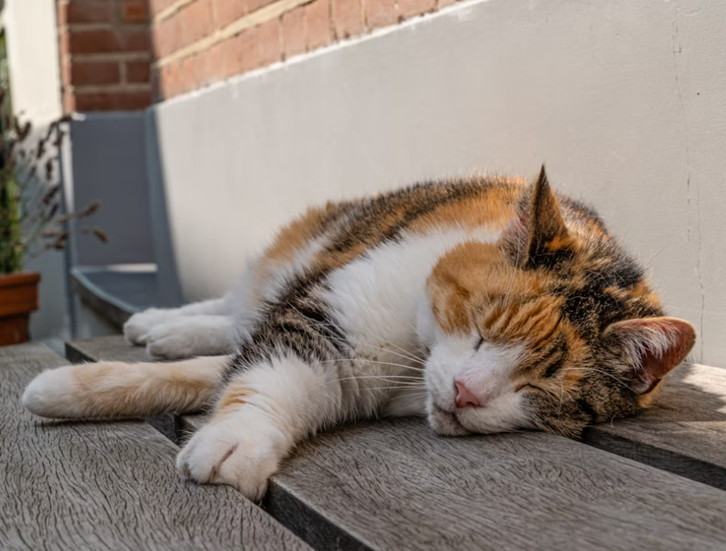
As temperatures drop and winter sets in, pet owners face unique challenges in keeping their furry friends safe, comfortable, and healthy. Cold weather can be harsh not only for humans but also for pets, and many common winter hazards can pose serious risks if pet owners aren’t careful. From frostbite to slippery sidewalks and indoor hazards, knowing how to protect your pets during the winter months is essential. This guide will cover practical strategies, tips, and expert advice to ensure your pets thrive during the colder seasons. (more…)

How to Keep Your Cat Clean Without Frequent Baths

do cats get bathed

Bathing a cat can be stressful for both the pet and the owner. Fortunately, most cats are excellent self-groomers, and there are several strategies to keep them clean without frequent baths. This article explores practical ways to maintain your cat’s hygiene, grooming routines, and when a full bath is actually necessary.

Do Cats Get Bathed? Why Cats Usually Don’t Need Baths

Cats are naturally fastidious animals. Their tongues are designed to remove dirt and loose fur, and they produce oils that keep their coat healthy. In most cases, regular brushing and spot cleaning are enough to maintain a clean, healthy cat.

do cats get bathed“Most healthy adult cats are fastidious groomers and rarely require a bath. How often your cat needs to be bathed will vary with age, lifestyle, and underlying health status.” – VCA Animal Hospitals


Brushing: The Key to a Clean Cat

Regular brushing removes loose hair, dirt, and prevents matting. The type of brush and frequency depend on your cat’s coat:

  • Short-haired cats: Brush once or twice a week. Use a soft-bristle brush to remove loose fur and stimulate natural oils.

  • Long-haired cats: Daily brushing is recommended to prevent tangles and mats. A wide-toothed comb or slicker brush works well.

  • Outdoor cats: They may require more frequent grooming due to dirt and debris collected outside.

Brushing also reduces hairballs and helps distribute natural oils, keeping the coat shiny and healthy.

do cats get bathed

Are you finding this article useful? Would you like 100% free access to more articles like these, and free access to over 5,000 vetted pet care service professionals throughout the United States? Sign up here for a free Petworks account, and we’ll email you a  10% discount code, good towards your first pet care services booking on Petworks!

Waterless Shampoos and Sprays

If brushing isn’t enough, waterless or “dry” shampoos can help. These products are safe for cats when used as directed and can remove dirt and odor without a full bath.

  • Choose shampoos specifically formulated for cats. Avoid human products.

  • Apply the product to dry fur and gently massage, then brush to remove excess residue.

  • Waterless sprays are ideal for spot cleaning areas like paws, face, or tail.


Grooming Wipes for Cats

Pet-safe grooming wipes are another low-stress option for cleaning cats between baths. They are convenient for:

  • Cleaning dirty paws after outdoor excursions.

  • Wiping messy fur after meals.

  • Managing odors in long-haired cats.

Always use wipes labeled for feline use, and avoid products with strong fragrances or chemicals that could irritate your cat’s skin.


Regular Health Checks as Part of Grooming

Keeping a cat clean isn’t just about appearance. Grooming sessions are an opportunity to check for:

  • Fleas, ticks, or other parasites

  • Skin irritation or wounds

  • Unusual lumps or bumps

  • Ear and eye discharge

Early detection of issues can prevent serious health problems.


When a Full Bath is Necessary

Despite self-grooming and alternative cleaning methods, there are times a full bath is unavoidable:

  • The cat gets into sticky substances like paint or oil.

  • A strong odor develops that brushing or wipes can’t fix.

  • Skin conditions require medicated shampoos, as prescribed by a veterinarian.

  • The cat has been exposed to parasites or allergens.

do cats get bathedEven in these cases, the bath should be gentle, using lukewarm water, cat-safe shampoo, and careful handling to reduce stress. For professional cat cleaning, consider hiring a mobile groomer who will come right to your home.


Do Cats Get Bathed? Tips for Stress-Free Cleaning

Even waterless cleaning can be stressful for some cats. Here are strategies to keep grooming calm and effective:

Choose the right environment: Quiet, warm, and well-lit areas help cats feel safe.

Use gentle handling: Avoid restraining too tightly; let the cat move comfortably.

Introduce products gradually: Let your cat sniff wipes or sprays before applying.

Reward your cat: Treats and gentle praise help create positive associations with grooming.


Alternative Ways to Reduce Odor and Dirt

For cats that resist grooming, consider these options:

  • Diet adjustments: Healthy skin and coat start with proper cat nutrition. High-quality, omega-rich diets can reduce odors and shedding.

  • Environmental hygiene: Keep litter boxes clean, bedding washed, and living areas dust-free.

  • Regular vet visits: Ensure your cat is free from medical issues that could affect coat health.


FAQ: Keeping Your Cat Clean Without Frequent Baths

Q1: How can I keep my cat clean without giving them a bath?
A: Regular brushing removes dirt, loose fur, and prevents mats. Short-haired cats benefit from weekly brushing, long-haired cats may need daily grooming.

Q2: Are waterless shampoos safe for cats?
A: Yes, specially formulated waterless shampoos are safe when used as directed, helping clean fur and control odor.

Q3: Can I use wipes or sprays instead of bathing?
A: Absolutely. Grooming wipes and pet-safe sprays are great for spot cleaning paws, face, and areas your cat can’t reach.

Q4: How often should I groom my cat?
A: Frequency depends on coat type and lifestyle. Indoor short-haired cats usually need weekly grooming, long-haired or outdoor cats may need more frequent attention.

Q5: When does a cat actually need a full bath?
A: Full baths are generally needed only if the cat is dirty, sticky, smelly, or has a medical condition requiring shampoo.


Bathing a cat is rarely necessary, thanks to their natural grooming abilities. By using brushing, waterless shampoos, wipes, and regular health checks, you can keep your cat clean and healthy without the stress of frequent baths. A calm, consistent grooming routine helps maintain a shiny coat, reduces hairballs, and strengthens the bond between you and your feline companion.

About Petworks

Dr Marty Goldstein Nature's Blend - Petworks NutritionIn 2021, Dr. Marty Goldstein DVM joined the pet care platform Petworks as an advisor in its Animal Nutrition care division. Dr Marty Nature’s Blend is on a mission to help your pets live their healthiest lives possible. Dr. Marty’s pet nutrition expertise and guidance has helped Petworks evolve and become the preeminent animal and pet nutrition consultation service for pet parents in North America.

Bill Bishop Blue Buffalo Pet NutritionIn 2022, Blue Buffalo Founder Bill Bishop Jr. joined Petworks as Senior Advisor in our Animal Nutrition Care Division. Bill brings his extensive expertise in pet food innovation and business leadership. His guidance helps Petworks enhance our pet nutrition service offerings, helping to ensure that pet parents throughout the world receive trusted, science-backed nutritional support for their dogs, cats, and animals.

About The Author

Petworks Co-Founder Kevin Kinyon is a life-long animal lover who works tirelessly to improve the lives of pets and their parents. Human and animal qualities he values most are integrity, humor, and empathy.

What Does “Hypoallergenic Dog” Actually Mean?

Hypoallergenic Dogs

The term “hypoallergenic” refers to a reduced likelihood of causing an allergic reaction. In the context of dogs, this means breeds that are less likely to trigger allergies in sensitive individuals. Allergies to dogs are typically caused by proteins found in a dog’s dander, saliva, and urine. Hypoallergenic dogs are not entirely allergen-free; however, they produce fewer allergens or have coat types that trap dander, preventing it from spreading.

(more…)

How Do I Safely Clean My Dog’s Ears?

Dog Ear Cleaning

Proper ear care is essential for your dog’s overall health. Regular ear cleaning can prevent infections, reduce discomfort, and ensure your pet’s well-being. However, it’s crucial to approach this task with the right knowledge and tools to avoid causing harm.

🐾 Why Is Dog Ear Cleaning Important?

Dogs, especially those with floppy ears like Cocker Spaniels or Basset Hounds, are more prone to ear infections due to reduced airflow in the ear canal. Regular cleaning helps remove wax buildup, debris, and moisture, which can lead to infections if left unchecked. Signs that your dog may need ear cleaning include shaking their head, scratching at their ears, or an unpleasant odor emanating from the ears.


🧰 What You’ll Need

Before you begin, gather the following supplies:

  • Vet-approved ear cleaning solution: Avoid products containing alcohol or hydrogen peroxide, as they can irritate the ear canal.

  • Cotton balls or gauze pads: These are gentle on the ear canal and effective at removing debris.

  • Towel: To protect yourself and your surroundings from any splashes.

  • Treats: To reward your dog and make the experience positive.


🐶 Step-by-Step Guide to Cleaning Your Dog’s Ears

1. Prepare Your Dog

Choose a quiet time when your dog is calm. You might consider cleaning their ears after a walk or playtime when they are more relaxed. If your dog is anxious, having an assistant can help keep them still.

2. Inspect the Ears

Before cleaning, check for signs of infection such as redness, swelling, discharge, or a foul odor. If any of these are present, consult your veterinarian before proceeding.

3. Apply the Cleaning Solution

Hold your dog’s ear flap upright and gently fill the ear canal with the ear cleaning solution. Massage the base of the ear to distribute the solution and loosen any debris. Allow your dog to shake their head to expel the solution and loosened debris.

4. Wipe the Ear

Using a cotton ball or gauze pad, gently wipe the inside of the ear canal and the ear flap. Be careful not to insert the cotton too deeply, only as far as your finger can reach. Avoid using cotton-tipped swabs, as they can push debris further into the ear canal.

5. Dry the Ear

Use a clean, dry cotton ball or gauze to gently dry the ear canal and flap. Moisture left in the ear can promote bacterial or yeast growth.

6. Repeat on the Other Ear

Repeat the process on the other ear, using a fresh cotton ball or gauze pad.

DVM Expert Advice

Dog Ear Cleaning🩺 Dr. Lisa Freeman, DVM, PhD, DACVN, Professor of Clinical Nutrition at Tufts University Cummings School of Veterinary Medicine:

“When cleaning your dog’s ears, it’s essential to use a gentle, vet-approved ear cleaner. Avoid using alcohol, hydrogen peroxide, or essential oils, as these can irritate the ear canal and may lead to infections.”

This advice emphasizes the importance of using appropriate products to ensure the safety and health of your dog’s ears.

🐾 Dr. Justine Lee, DVM, DACVECC, DABT, Veterinary Specialist and Author:

“Fill the ear canal with the solution, gently massage the base of the ear to loosen debris, then let your dog shake their head. Wipe away what comes up with a cotton ball or gauze. Never put cotton swabs into the canal, the ear canal is L-shaped in dogs, so swabs can push debris deeper or even …”

This guidance highlights the proper technique for cleaning your dog’s ears and the risks associated with improper methods.

Do Mobile Groomers Clean Dogs Ears?

What Mobile Groomers Typically Do

  • Ear Cleaning Included: Most full-service mobile groomers include ear cleaning when they bathe and groom a dog. They usually use vet-approved ear cleaning solutions and gently wipe out debris and excess wax.

  • Inspection for Issues: Groomers often check for signs of redness, discharge, or odor. If they notice a potential infection, they’ll recommend a visit to a veterinarian.

  • Not Medical Treatment: Mobile groomers cannot treat infections—they only perform routine cleaning and hygiene care.

Tips for Dog Owners

  1. Ask Ahead: When booking, confirm whether ear cleaning is included in the grooming package.

  2. Specify Needs: If your dog has sensitive ears or a history of infections, let the groomer know.

  3. Vet Consultation: If your dog shows signs of infection (redness, discharge, odor), have a vet evaluate before the groomer cleans the ears.

⚠️ Important Tips and Precautions

  • Avoid Harsh Chemicals: Do not use alcohol, hydrogen peroxide, or vinegar unless directed by your veterinarian, as these can irritate the ear canal.

  • Don’t Over-Clean: Cleaning too frequently can irritate the ear canal. Once every 2–4 weeks is typically sufficient for most dogs.

  • Use Appropriate Tools: Only use products and tools designed for canine ear care.

  • Monitor for Signs of Infection: If your dog shows signs of discomfort, redness, or discharge after cleaning, consult your veterinarian.


🐕 Breeds That May Require More Frequent Cleaning

Certain breeds are more prone to ear issues and may benefit from more frequent ear cleaning:

  • Cocker Spaniels

  • Basset Hounds

  • Dachshunds

  • Shih Tzus

  • Boxers

These breeds often have floppy ears or hairier ear canals, which can trap moisture and debris. Regular cleaning can help prevent infections.

Dog Ear Cleaning

Are you finding this article useful? Would you like 100% free access to more articles like these, and free access to over 5,000 vetted pet care service professionals throughout the United States? Sign up here for a free Petworks account, and we’ll email you a  10% discount code, good towards your first pet care services booking on Petworks!

🧼 Common Ear Problems and Solutions

Ear Infections

Symptoms include redness, swelling, discharge, and a foul odor. If you suspect an infection, consult your veterinarian for appropriate treatment, which may include medicated ear drops.

Ear Mites

These tiny parasites can cause itching and dark discharge. Treatment typically involves prescription ear drops.

Allergies

Food or environmental allergies can lead to ear inflammation. Managing the underlying allergy can help alleviate ear symptoms.

Dog Ear Cleaning FAQs

How often should I clean my dog’s ears safely?

A: Most dogs need ear cleaning once every 2–4 weeks. Dogs with floppy ears or a history of infections may require more frequent dog ear cleaning. Regular cleaning helps prevent infections and maintain proper dog ear hygiene.

What is the safest way to clean dog ears at home?

A: Use a vet-approved dog ear cleaning solution, gently fill the ear canal, massage the base, allow your dog to shake its head, and wipe away debris with a cotton ball or gauze. Avoid cotton swabs, as they can push debris deeper into the ear canal.

Can cleaning dog ears prevent ear infections?

A: Yes. Regular dog ear cleaning removes wax, moisture, and debris that can harbor bacteria or yeast. This reduces the risk of dog ear infections and keeps your pet’s ears healthy.

Are some dog breeds more prone to ear problems?

A: Floppy-eared or hairy-eared breeds, such as Cocker Spaniels, Basset Hounds, and Shih Tzus, are more likely to develop ear infections. Routine ear hygiene for dogs is especially important for these breeds.

Can puppies have their ears cleaned like adult dogs?

A: Yes, but with extra care. Use a gentle dog ear cleaner and introduce the process gradually. Reward puppies with treats to build a positive association with ear cleaning for dogs.

What signs indicate my dog’s ears need cleaning?

A: Signs include head shaking, scratching at the ears, foul odor, redness, or discharge. These are common indicators that dog ear cleaning is needed or that a veterinary checkup is required.

How do I clean a dog’s ears without causing pain?

A: Always use gentle ear cleaning techniques, avoiding deep insertion into the ear canal. Massage the base and wipe debris carefully. Stop if your dog shows discomfort and consult your veterinarian if needed.

What products are safe for dog ear cleaning?

A: Only use vet-approved solutions specifically designed for dogs. Avoid home remedies with alcohol, vinegar, hydrogen peroxide, or essential oils unless your veterinarian advises otherwise.

Can ear cleaning be done too frequently?

A: Yes. Over-cleaning can irritate the ear canal. Most dogs do well with dog ear cleaning every 2–4 weeks. Dogs prone to infections may need more frequent care, but always follow veterinary guidance.

How can I make dog ear cleaning easier for anxious dogs?

A: Gradually desensitize your dog by handling the ears gently, rewarding them with treats, and introducing the dog ear cleaning solution slowly. Positive reinforcement can make ear cleaning for dogs stress-free.

Stay Consistent

Regular ear cleaning is an essential part of your dog’s grooming routine. By following the steps outlined above and using the right products, you can help maintain your dog’s ear health and prevent potential issues. Always consult your veterinarian if you’re unsure about any aspect of ear care or if your dog exhibits signs of discomfort.

About Petworks

Dr Marty Goldstein Nature's Blend - Petworks NutritionIn 2021, Dr. Marty Goldstein DVM joined the pet care platform Petworks as an advisor in its Animal Nutrition care division. Dr Marty Nature’s Blend is on a mission to help your pets live their healthiest lives possible. Dr. Marty’s pet nutrition expertise and guidance has helped Petworks evolve and become the preeminent animal and pet nutrition consultation service for pet parents in North America.

Bill Bishop Blue Buffalo Pet NutritionIn 2022, Blue Buffalo Founder Bill Bishop Jr. joined Petworks as Senior Advisor in our Animal Nutrition Care Division. Bill brings his extensive expertise in pet food innovation and business leadership. His guidance helps Petworks enhance our pet nutrition service offerings, helping to ensure that pet parents throughout the world receive trusted, science-backed nutritional support for their dogs, cats, and animals.

About The Author

Petworks Co-Founder Kevin Kinyon is a life-long animal lover who works tirelessly to improve the lives of pets and their parents. Human and animal qualities he values most are integrity, humor, and empathy.

5 Easy Ways to Reduce Shedding in Dogs

how to reduce shedding on dogs

How to lessen dog shedding. If you share your home with a dog, you’re probably familiar with the constant tumbleweeds of fur rolling across the floor. Dog shedding is completely normal…it’s part of the natural hair growth cycle,  but excessive shedding can leave your home covered in hair and might even indicate underlying health issues. The good news? There are several easy and effective ways to reduce shedding in dogs, improve your dog’s coat health, and keep your house cleaner in the process. (more…)