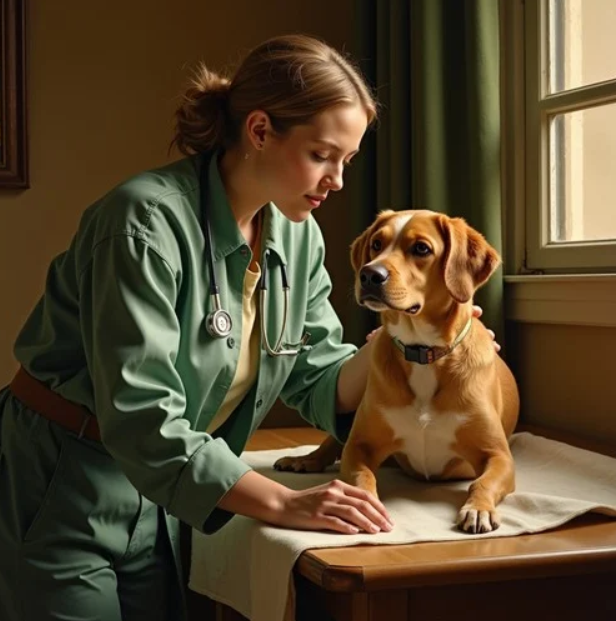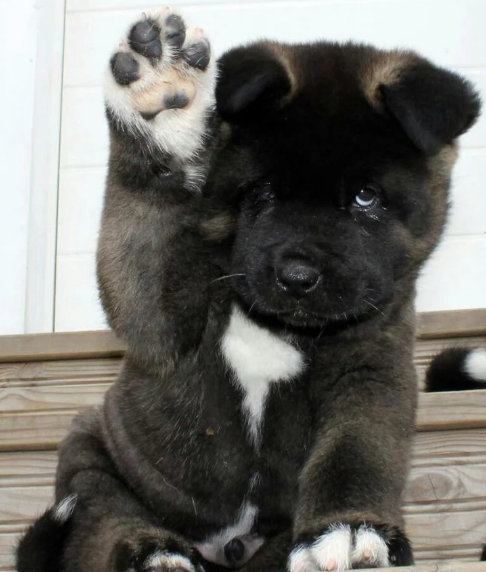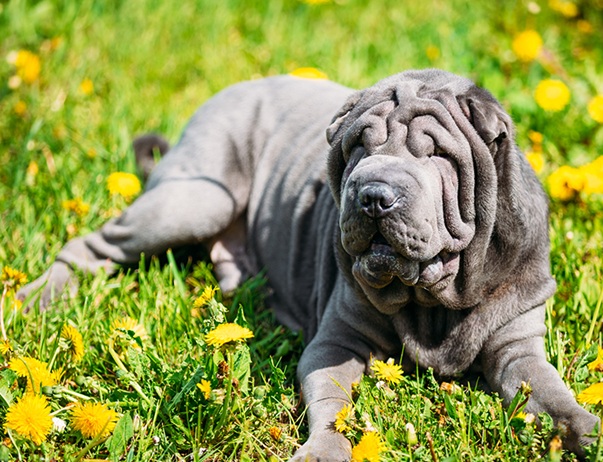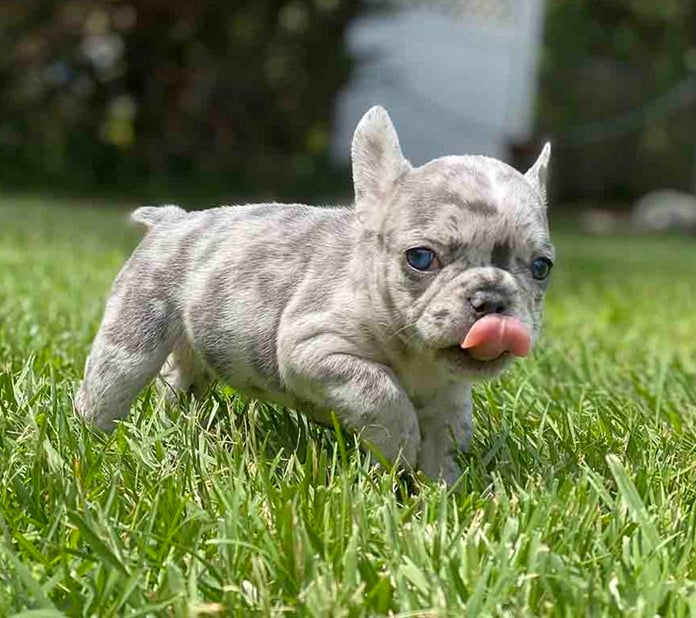
It’s one of the most common, and most exciting, questions new puppy owners ask: “How big will my puppy get?” While you can’t know the final adult size with absolute certainty, there are reliable clues, formulas, and patterns that can help you make a reasonable prediction. In this article, we’ll walk through the major factors, estimation methods, growth timelines, breed-based expectations, and caveats you need to understand. (more…)
Category: Dog Nutrition Information

Consulting with a dog nutritionist offers numerous benefits that can significantly enhance your dog’s overall health and well-being. A dog nutritionist specializes in understanding the specific dietary needs of different breeds, ages, and health conditions. This allows them to create a personalized nutrition plan tailored to your dog’s unique requirements. This customized approach can help prevent and manage common issues such as obesity, allergies, and digestive problems. And even behavioral concerns that may be linked to diet.
Additionally, a nutritionist can guide you in choosing the highest quality ingredients and the right balance of nutrients, ensuring your dog receives optimal nourishment for a long, healthy life. By addressing specific health concerns and promoting overall vitality, a canine nutritionist can also help extend your pet’s lifespan, reduce the need for medical interventions, and improve their quality of life.
The cost of hiring a canine nutritionist can vary depending on location, expertise, and the complexity of your dog’s dietary needs. On average, a session with a canine nutritionist ranges from $75 to $200. Initial consultations, which typically involve a detailed assessment and custom meal planning, may be on the higher end of this spectrum. Follow-up sessions are often less expensive, especially if they involve minor adjustments to an existing plan. Whether you’re dealing with a health issue or simply want to ensure your dog is receiving the best possible care, a consultation with a canine nutritionist provides valuable insights and support to help your dog thrive.
What Are The Most Popular Big Fluffy Dog Breeds?
Big Fluffy Dog Breeds That Are Great With Families and Small Children. Big fluffy dog breeds are not only adorable but also make wonderful family pets, especially for households with small children. Their gentle nature, affectionate personalities, and protective instincts make them perfect companions. Here are some of the best big fluffy dog breeds that thrive in family environments and form strong bonds with children.
What health problems are common in Teacup Pomskies?
Teacup Pomsky Dog Breed Health Care: Nutrition, Training, Wellness, and more. The ultimate Petworks Guide. The Teacup Pomsky is an adorable hybrid breed that combines the charm of the Pomeranian with the intelligence and striking appearance of the Siberian Husky. As a miniature version of the already small Pomsky, this tiny pup requires special attention to health, nutrition, and training. Whether you’re adopting a Teacup Pomsky puppy or ensuring your adult dog stays in peak condition, this guide outlines the best health plan from puppyhood to adulthood.
How Can I Tell if My Dog’s Sneezing Is Due to Fall Allergies?
Dogs and Fall Allergies: How to Keep Your Pup Comfortable This Season. As the leaves change colors and the air turns crisp, many dog owners enjoy outdoor walks, hikes, and playtime. However, fall can also bring a season of discomfort for some dogs. Seasonal allergies, particularly in the autumn months, affect countless pets each year.
Just like humans, dogs can be sensitive to pollen, mold, and other environmental allergens. Understanding the causes, symptoms, and treatment options is essential to keeping your furry friend happy and healthy during this beautiful, but sometimes irritating, season.
What Are Fall Allergies in Dogs?
Fall allergies in dogs are medically referred to as seasonal atopic dermatitis. They occur when a dog’s immune system overreacts to environmental substances that are usually harmless. In autumn, certain triggers become more prevalent:
-
Pollen: Ragweed, sagebrush, and other weeds release pollen that can irritate your dog’s skin, nose, and eyes.
-
Mold spores: Damp leaves, soil, and decaying vegetation create ideal environments for mold, which can provoke allergic reactions.
-
Dust mites: As indoor heating becomes more common, dust mites can accumulate in carpets, bedding, and furniture, triggering allergies.
Dogs may be allergic to one or multiple allergens, and the severity can vary from mild irritation to chronic discomfort. Unlike food allergies, which tend to cause gastrointestinal issues, seasonal allergies usually manifest with skin and respiratory symptoms.
Signs and Symptoms of Fall Allergies
Recognizing allergy symptoms early is crucial. Common signs include:
-
Itchy skin (pruritus): Dogs may scratch, lick, or bite areas of their body, particularly the paws, ears, belly, and armpits.
-
Red, inflamed skin: Persistent scratching can cause redness, rashes, or even small sores.
-
Ear infections: Chronic inflammation can lead to wax buildup, odor, or recurrent infections.
-
Watery eyes and sneezing: Respiratory symptoms, though less common than skin reactions, may also occur.
-
Hair loss: Continuous scratching and chewing can cause patches of hair loss, often on the paws or belly.
-
Behavior changes: Dogs in discomfort may become restless, irritable, or lethargic.
Expert Tip: Dr. Jennifer Coates, DVM, notes, “Fall allergies are common in dogs, and symptoms often mimic other conditions. Observing the timing, pattern, and location of itching is key to identifying seasonal triggers.”
Common Questions Pet Parents Have
A frequent question is:
“How can I tell if my dog’s itching is due to fall allergies and not fleas or food allergies?”
-
Fleas typically cause itching primarily around the tail, back, and hind legs and may leave small flea dirt specks.
-
Food allergies often cause chronic skin issues year-round rather than seasonal flare-ups. Consult with your vet and a canine nutritionist to learn more.
-
Seasonal allergies usually appear during a particular time of year, such as late summer or fall.
Another common question:
“Can fall allergies cause ear infections?”
Yes. Allergic reactions can lead to inflammation in the ear canal, making dogs more susceptible to bacterial or yeast infections. Persistent ear infections in the fall are a strong indicator of environmental allergies.

Are you finding this article useful? Would you like 100% free access to more articles like these, and free access to over 5,000 vetted pet care service professionals throughout the United States? Sign up here for a free Petworks account, and we’ll email you a 10% discount code, good towards your first pet care services booking on Petworks!
Diagnosing Fall Allergies
Veterinarians use a combination of history, physical exams, and diagnostic tests to determine the cause of your dog’s symptoms:
-
Medical history: Your vet will ask when the itching started, whether it is seasonal, and if any other pets in the home show similar symptoms.
-
Physical examination: Checking the skin, ears, and eyes helps rule out infections or parasites.
-
Allergy testing: Blood tests or intradermal skin testing can identify specific environmental allergens.
Pro Tip: Early diagnosis allows for more effective management and can prevent secondary infections caused by constant scratching.
Treatment Options for Fall Allergies
While allergies cannot always be cured, several treatment strategies can help manage symptoms and improve quality of life:
1. Environmental Management
-
Wipe down paws and coat: After walks, clean your dog’s paws and fur to remove pollen and mold spores.
-
Limit outdoor exposure on high pollen days: Check local pollen forecasts to minimize contact.
-
Use air filters and clean bedding: Reduce indoor allergens like dust mites and mold spores.
2. Medications
-
Antihistamines: Some dogs respond well to vet-prescribed antihistamines such as cetirizine or diphenhydramine.
-
Corticosteroids: Short-term steroid therapy can reduce severe itching and inflammation but is not recommended for long-term use due to side effects.
-
Immunotherapy (allergy shots): For chronic allergies, vets may recommend allergen-specific immunotherapy to desensitize your dog’s immune response.
3. Topical Care
-
Medicated shampoos and sprays: These can soothe itchy skin, remove allergens, and reduce inflammation.
-
Oatmeal baths: Gentle and safe for regular use to calm irritated skin.
4. Nutrition and Supplements
-
Omega-3 fatty acids: Found in fish oil, they support skin health and reduce inflammation.
-
Hypoallergenic diets: For dogs with combined environmental and food sensitivities, your vet may suggest specialized diets.
Preventive Measures for Fall Allergies
Taking preventive steps can help reduce allergy flare-ups:
-
Regular grooming: Keeps the coat clean and reduces allergen accumulation.
-
Routine vet checkups: Early detection of allergy-related skin infections prevents complications.
-
Observe seasonal patterns: Track when symptoms appear each year to anticipate and treat early.
-
Limit dust and mold indoors: Keep the home dry, vacuum frequently, and wash bedding regularly.
Expert Quote: As a veterinarian, I can emphasize the crucial importance of monitoring and addressing pet allergies promptly,” said Nicole Savageau, a veterinarian in Austin, Texas, who provides mobile, in-home care.
When to See a Veterinarian
You should schedule a vet visit if your dog:
-
Scratches or chews excessively for more than a week.
-
Develops bald patches, scabs, or sores from scratching.
-
Shows signs of ear infections, such as odor, redness, or discharge.
-
Experiences behavioral changes due to discomfort.
Early intervention can prevent secondary infections and chronic skin damage.
FAQs About Dogs and Fall Allergies
Q: Can indoor dogs get fall allergies?
A: Yes. Even dogs who spend most of their time indoors can react to pollen, dust, and mold brought in from outside.
Q: Are certain breeds more prone to allergies?
A: Breeds like Golden Retrievers, Labrador Retrievers, Bulldogs, and West Highland White Terriers are more prone to atopic dermatitis.
Q: Can diet help with allergies?
A: While diet won’t cure environmental allergies, omega-3 supplements, balanced nutrition, and hypoallergenic diets can support skin health and reduce inflammation.
Q: Are natural remedies effective?
A: Some natural remedies, like oatmeal baths and fish oil, can help. Always consult your vet before using essential oils or herbal treatments, as some can be toxic to dogs.
Fall is a wonderful season for walks, play, and enjoying the outdoors with your dog. But it can also be challenging for pets prone to allergies. By recognizing the symptoms, understanding the triggers, and implementing management strategies, pet parents can help their dogs stay comfortable and happy throughout the season.
Consistent grooming, environmental control, proper nutrition, and vet-guided treatments are key. If you notice persistent itching, ear infections, or behavioral changes in your dog during the fall months, consult a veterinarian promptly. Early action ensures your dog enjoys the autumn season as much as you do. Without the discomfort of seasonal allergies.
Remember: Allergies may not be curable, but with proper care, your dog can live a healthy, happy life year-round.
Determining whether your dog’s sneezing is due to fall allergies requires careful observation of patterns and symptoms. Seasonal allergies often coincide with specific times of year and may include itchy eyes, watery discharge, and repeated paw licking, whereas infections or irritants can appear anytime. By monitoring your dog’s behavior, keeping the environment clean, and consulting a veterinarian for testing or guidance, you can identify the cause and provide relief, helping your pup enjoy the season comfortably.
About Petworks
In 2021, Dr. Marty Goldstein DVM joined the pet care platform Petworks as an advisor in its Animal Nutrition care division. Dr Marty Nature’s Blend is on a mission to help your pets live their healthiest lives possible. Dr. Marty’s pet nutrition expertise and guidance has helped Petworks evolve and become the preeminent animal and pet nutrition consultation service for pet parents in North America.
In 2022, Blue Buffalo Founder Bill Bishop Jr. joined Petworks as Senior Advisor in our Animal Nutrition Care Division. Bill brings his extensive expertise in pet food innovation and business leadership. His guidance helps Petworks enhance our pet nutrition service offerings, helping to ensure that pet parents throughout the world receive trusted, science-backed nutritional support for their dogs, cats, and animals.
About The Author
Petworks Co-Founder Kevin Kinyon is a life-long animal lover who works tirelessly to improve the lives of pets and their parents. Human and animal qualities he values most are integrity, humor, and empathy.
What Are The Most Popular Dog Breeds In The USA?
Top Dog Breeds 2026. When choosing a dog, families and dog owners often prioritize traits such as temperament, size, energy levels, and adaptability. The right dog can bring joy, companionship, and love to a household. Here’s a guide to the top dog breeds that are well-suited for families and dog owners, along with insights into their unique qualities.