The Proper Health Care Plan for Pug Dogs. Guidance and Tools. Pug dogs are charming, affectionate, and full of personality, but they require specialized care to maintain their health and happiness. Due to their unique physical structure and genetic predispositions, pugs need a well-rounded approach to health care, including proper nutrition, training, chiropractic adjustments, grooming, and regular veterinary check-ups. By understanding and implementing the best health care practices for pugs, pet parents can ensure their beloved companions live long, comfortable lives.
Pug Dog Common Health Problems and Solutions
Pug dogs are beloved for their charming personalities, expressive faces, and compact size. However, their unique physical traits also make them prone to certain health challenges. Knowing the most common issues and how to manage them can help your pug live a healthier, happier life.
Breathing Difficulties
Because pugs are a brachycephalic breed (short-nosed), they often experience breathing problems. This can show up as snoring, wheezing, or labored breathing, especially in hot weather or during exercise. To help, keep your pug at a healthy weight, avoid overexertion, and ensure they stay cool in warm climates. In more severe cases, veterinary surgery can help open airways.
Skin and Allergy Issues
Pugs have deep skin folds that can trap moisture and bacteria, leading to irritation or infections. Regular cleaning of these folds with a damp cloth and drying them thoroughly can prevent problems. Pugs are also prone to food and environmental allergies, which may cause itching, redness, or ear infections. A vet can recommend allergy testing and prescribe a suitable diet or medication.
Eye Conditions
With their large, prominent eyes, pugs are vulnerable to issues such as corneal ulcers, dry eye, and injuries. Owners should keep an eye out (no pun intended) for redness, excessive tearing, or squinting. Early veterinary treatment is crucial, and in some cases, eye drops or surgery may be necessary to protect their vision.
Obesity and Joint Pain
Pugs love food, but obesity can worsen breathing problems and put strain on their joints. Portion control, a balanced diet, and daily walks tailored to their ability are key to keeping them fit. Joint supplements and vet-guided exercise plans can also support mobility.
By staying proactive with regular vet check-ups, proper grooming, and balanced nutrition, pug owners can help their dogs avoid or manage these common health issues, and ensure many years of tail-wagging companionship.
 Nutrition for Pug Dogs
A balanced diet is essential for a pug’s overall health. Pugs are prone to obesity due to their small stature and love for food. Maintaining a proper diet helps prevent weight-related issues such as diabetes, joint problems, and respiratory difficulties.
High-Quality Proteins: Pugs need lean sources of protein such as chicken, turkey, fish, and lamb to support muscle growth and energy levels.
Healthy Fats: Omega-3 and Omega-6 fatty acids found in fish oil and flaxseed support skin and coat health while reducing inflammation.
Complex Carbohydrates: Brown rice, sweet potatoes, and quinoa provide steady energy and essential fiber for digestion.
Vitamins and Minerals: A well-balanced diet should include calcium, phosphorus, and antioxidants to strengthen bones and immune function.
Portion Control: Overfeeding can lead to obesity, so measuring portions and avoiding excessive treats is critical.
For pugs with specific dietary needs, consulting a veterinary dog nutritionist can help create a customized meal plan that supports their unique health requirements.
Training for Pug Dogs
Pugs are intelligent but sometimes stubborn, making consistent training essential for a well-behaved pet. Positive reinforcement and patience are key to successful training.
Basic Commands: Teaching commands like sit, stay, and come establishes a strong foundation for obedience.
Leash Training: Due to their brachycephalic nature, pugs should use a harness instead of a collar to prevent breathing issues.
Socialization: Exposing pugs to different environments, people, and animals at an early age helps reduce anxiety and behavioral problems.
Housebreaking: Crate training and a consistent bathroom schedule help pugs learn where and when to relieve themselves.
Mental Stimulation: Puzzle toys and interactive play sessions keep their minds engaged and prevent boredom-related behaviors like excessive barking or chewing.
Professional dog trainers can assist in addressing any behavioral challenges and ensuring pugs develop into well-mannered companions.
 Chiropractic Care for Pugs
Dog chiropractic care can be highly beneficial for pugs due to their compact build and susceptibility to spinal and joint issues. Regular chiropractic adjustments can improve mobility, reduce pain, and enhance overall wellness.
Spinal Alignment: Due to their curled tails and compact bodies, pugs may experience spinal misalignment, leading to discomfort and mobility issues.
Joint Health: Chiropractic care can help manage arthritis and hip dysplasia, conditions that pugs are prone to as they age.
Nerve Function: Adjustments improve nervous system function, benefiting digestion, circulation, and overall energy levels.
Posture Improvement: Keeping the spine aligned helps prevent the slouching posture common in older pugs.
Injury Prevention: Regular check-ups can identify minor issues before they develop into more serious conditions.
A certified veterinary chiropractor can provide safe and effective adjustments tailored to a pug’s needs.

Are you finding this article useful? Would you like 100% free access to more articles like these, and free access to over 5,000 vetted pet care service professionals throughout the United States? Sign up here for a free Petworks account, and we’ll email you a 10% discount code, good towards your first pet care services booking on Petworks!
Grooming Needs for Pug Dogs
Proper grooming is essential for maintaining a pug’s coat, skin, and overall hygiene. Their short, dense fur and facial wrinkles require regular care to prevent health issues.
Brushing: Pugs shed heavily year-round, so brushing 2-3 times a week with a de-shedding tool helps reduce loose hair and prevent matting.
Wrinkle Cleaning: The folds on a pug’s face can trap dirt, moisture, and bacteria, leading to infections. Cleaning them daily with a damp cloth and drying them thoroughly is necessary.
Bathing: Monthly baths with a mild, hypoallergenic dog shampoo keep their skin clean and free from irritation.
Ear Cleaning: Pugs have small ears that can accumulate wax and debris, increasing the risk of infections. Regular cleaning with a vet-approved solution helps maintain ear health.
Nail Trimming: Due to their compact build, pugs’ nails can grow quickly and cause discomfort if not trimmed every 2-3 weeks.
Dental Care: Brushing their teeth several times a week and providing dental chews help prevent gum disease and bad breath.
Professional mobile groomers can assist in maintaining a pug’s hygiene if owners prefer expert care.
“The majority of pugs I would see in my practice would need to be assessed for surgery to correct their airways and there is rarely a pug that’s assessed that doesn’t need the procedure. The surgery involves trimming away part of the nostrils and the palate at the back of the throat which allows them to breathe.” – Dr. Alan Rossiter, speaking for Veterinary Ireland.
Veterinary Care for Pug Dogs
Regular veterinary check-ups are essential to monitor a pug’s health and catch any potential issues early. Due to their breed-specific health concerns, preventive care is crucial.
Respiratory Health: Pugs have short muzzles, making them prone to brachycephalic airway syndrome. Routine vet visits can help manage breathing issues.
Eye Care: Their prominent eyes are vulnerable to infections, ulcers, and injuries. Regular vet exams ensure early detection and treatment.
Skin Conditions: Allergies and dermatitis are common in pugs, requiring vet-recommended skincare and dietary adjustments.
Weight Management: Monitoring a pug’s weight helps prevent obesity-related illnesses such as diabetes and joint problems.
Vaccinations and Parasite Control: Keeping up with vaccinations, flea, tick, and heartworm prevention protects pugs from serious diseases.
Senior Care: Older pugs may develop arthritis, vision loss, or organ-related conditions that require specialized care and treatment plans.
Building a relationship with a trusted veterinarian ensures a pug receives the best medical attention throughout its life.
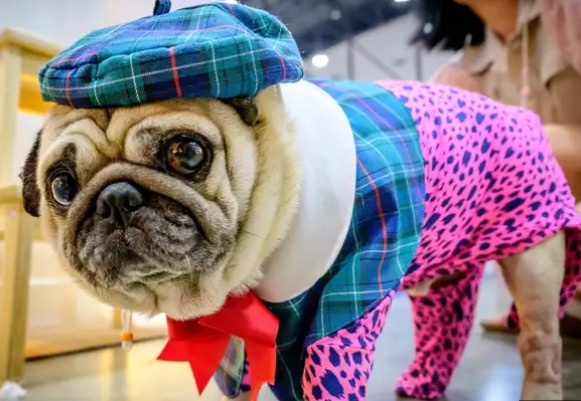
Pug Photo Credit: Mladen Antonov – FOX 10 Phoenix
The Best Pug Dog Breed Health Care Plan
Providing the best health care for a pug involves a combination of proper nutrition, training, chiropractic care, grooming, and veterinary attention. Since pugs are prone to specific health issues, a proactive approach is essential to maintain their quality of life. By meeting their dietary needs, engaging in consistent training, ensuring spinal health, maintaining hygiene, and scheduling routine vet visits, pet parents can help their pugs lead happy, healthy lives. With the right care and attention, these affectionate companions will continue to bring joy and love to their families for many years.
About Petworks
 In 2021, Dr. Marty Goldstein DVM joined the pet care platform Petworks as an advisor in its Animal Nutrition care division. Dr Marty Nature’s Blend is on a mission to help your pets live their healthiest lives possible. Dr. Marty’s pet nutrition expertise and guidance has helped Petworks evolve and become the preeminent animal and pet nutrition consultation service for pet parents in North America.
 In 2022, Blue Buffalo Founder Bill Bishop Jr. joined Petworks as Senior Advisor in our Animal Nutrition Care Division. Bill brings his extensive expertise in pet food innovation and business leadership. His guidance helps Petworks enhance our pet nutrition service offerings, helping to ensure that pet parents throughout the world receive trusted, science-backed nutritional support for their dogs, cats, and animals.
About The Author
 Petworks Co-Founder Kevin Kinyon is a life-long animal lover who works tirelessly to improve the lives of pets and their parents. Human and animal qualities he values most are integrity, humor, and empathy.

 petworks tm