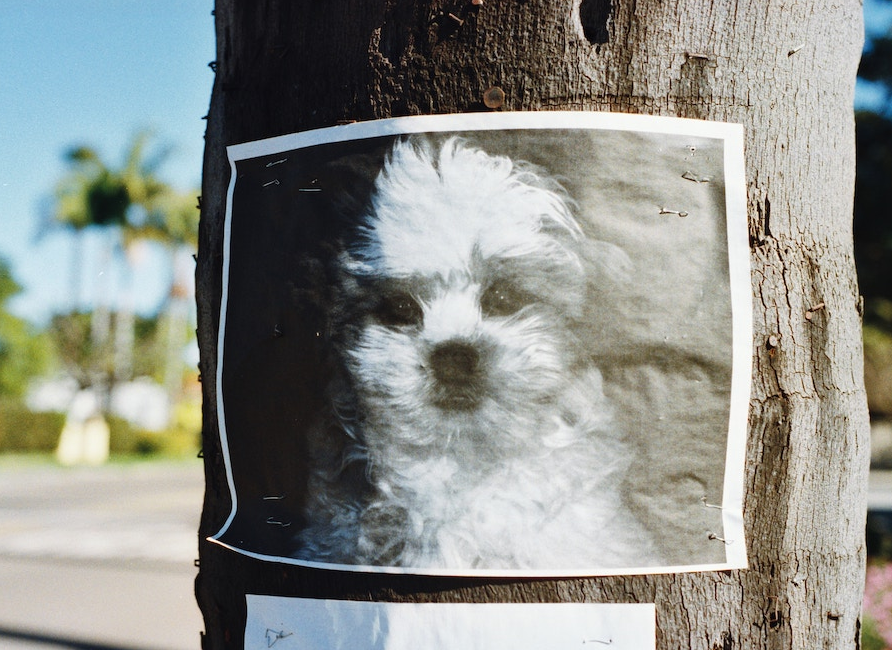
If your dog is missing, you may feel shock, panic, and confusion all at once. One of the most common questions pet parents ask in those first stressful minutes is: “How long should I wait before reporting my dog missing?” The answer is simple. Don’t wait at all. The sooner you act, the higher your chances of bringing your dog home safely. In this guide, we’ll explain why immediate reporting matters, what steps to take in the first hour, who to contact, and how to improve your odds of a happy reunion.
Why You Should Report a Missing Dog Immediately
Many owners hesitate. They assume their dog will wander back home or that reporting too early might seem dramatic.
But waiting can cost valuable time.
Dogs can:
-
Travel farther than expected in a short period.
-
Be picked up by a passerby and taken to a shelter.
-
Get injured or become disoriented.
-
Be stolen (especially certain breeds).
Animal shelters often operate on intake cycles. If your dog is picked up and logged before you report them missing, you may miss critical notification windows.
According to the American Society for the Prevention of Cruelty to Animals (ASPCA), millions of pets enter shelters each year in the United States, and quick reporting significantly increases the likelihood of reunification.
The bottom line: report first, then continue searching.
What To Do in the First 30–60 Minutes 🚨
The first hour is critical. Here’s what experts recommend:
1. Search Your Immediate Area
Walk your neighborhood. Call your dog’s name calmly. Bring high-value treats or a favorite squeaky toy. Check under porches, in bushes, behind sheds, and in nearby wooded areas.
Many dogs stay within a few blocks initially.
2. Alert Household Members and Neighbors
Ask neighbors to check garages, backyards, and security cameras. Dogs often hide silently when scared.
3. Check Escape Points
Look for broken fencing, loose gates, or doors left open. Understanding how your dog got out can help predict direction of travel.
But while you’re searching, begin reporting simultaneously.
Who Should You Contact Immediately?
📍 Local Animal Shelters and Humane Societies
Call every shelter within a 20–30 mile radius. Provide:
-
Clear description (breed, color, weight)
-
Unique markings
-
Collar and tag info
-
Microchip number
-
Date and last known location
If possible, visit in person. Photos can sometimes be misleading.
📍 Animal Control
Report your dog missing with local animal control services. If someone reports a stray, you want your contact information already on file.
📍 Veterinarian Clinics
Injured dogs are often brought to nearby veterinary offices.
📍 Microchip Registry
If your dog is microchipped, contact the registry company immediately and flag your pet as lost.
Microchips are one of the most effective recovery tools available. As noted by Bonnie Beaver, a professor emeritus at Texas A&M College of Veterinary Medicine:
“Permanent identification through microchipping significantly increases the likelihood that a lost pet will be returned to its owner.”
That increase is substantial — studies show microchipped dogs are returned to their families at much higher rates than non-microchipped dogs.
Should I Wait 24 Hours Before Filing a Report?
No.
There is no recommended waiting period.
Some myths suggest shelters require a 24-hour wait before filing. That’s outdated. Most shelters prefer immediate notification so they can match intake animals quickly.
If theft is suspected — such as a cut fence, removed collar, or known suspicious activity — contact local law enforcement right away.
How Long Do Dogs Typically Stay Nearby?
It depends on temperament.
-
Confident, social dogs may approach strangers quickly.
-
Shy or anxious dogs often hide and remain close to the escape location.
-
Prey-driven breeds may chase wildlife and travel farther.
Weather, terrain, and traffic density also matter.
But here’s the key: the longer you wait to report, the larger the search radius becomes.
 “The sooner you begin searching and notify local shelters and veterinary clinics, the better your chances of being reunited with your pet.” – Bonnie Beaver, DVM, professor emeritus, Texas A&M College of Veterinary Medicine
“Identification is crucial. Pets with microchips are much more likely to be returned to their owners.” – Emily Weiss, PhD, animal behavior expert formerly with the American Society for the Prevention of Cruelty to Animals (ASPCA)
How to Increase Recovery Odds 📣
Acting quickly is step one. Next, amplify visibility.
Post on Social Media
Share clear photos and last-seen details in:
-
Local Facebook groups
-
Neighborhood apps
-
Lost-and-found pet pages
- Hire an expert missing pet finder
Ask others to share.
Create Effective Flyers
Include:
-
Large, clear photo
-
“LOST DOG” in bold lettering
-
Reward (optional)
-
Phone number in large font
-
Last seen location
Place flyers at:
-
Intersections
-
Dog parks
-
Vet offices
-
Grocery stores
-
Community boards
Use Technology
GPS collars and smart tags can dramatically shorten search times. If your dog wears one, activate tracking immediately.

Are you finding this article useful? Would you like 100% free access to more articles like these, and free access to over 5,000 vetted pet care service professionals throughout the United States? Sign up here for a free PetWorks account, and we’ll email you a 10% discount code, good towards your first pet care services booking on PetWorks!
When Is It Time to Expand the Search?
If 24–48 hours pass with no sightings:
-
Expand your radius.
-
Revisit shelters in person.
-
Repost on social media.
-
Contact local rescue groups.
-
Check online classified listings (occasionally lost pets are posted there).
Persistence matters. Many dogs are reunited days — or even weeks — later.
Emotional Reality: Stay Proactive, Not Paralyzed ❤️
It’s natural to feel overwhelmed. But proactive steps reduce helplessness.
Make a checklist:
-
☑ Call shelters
-
☑ Notify microchip registry
-
☑ Post online
-
☑ Print flyers
-
☑ Walk search grid
Action increases hope.
Frequently Asked Questions (FAQs)
How long should I wait before reporting my dog missing?
You should not wait at all. Report your dog missing immediately to shelters, animal control, and microchip registries.
Is 24 hours too soon to report a missing dog?
No. There is no required waiting period. Reporting immediately improves your chances of recovery.
What if my dog comes home after I report them missing?
That’s great news! Simply notify shelters and animal control that your dog has returned so they can close the report.
Should I call the police for a missing dog?
If you suspect theft or intentional harm, yes. File a police report as soon as possible.
How far can a dog travel in one day?
Dogs can travel several miles in a single day, especially if frightened or chasing wildlife. Distance varies based on breed, terrain, and environment.
Do microchips really help?
Yes. Microchipped dogs are significantly more likely to be returned to their owners compared to those without permanent identification.
What time of day should I search?
Early morning and late evening are often best. Fewer distractions and lower traffic may make your dog more responsive.
Final Thoughts
If you’re asking, “How long should I wait before reporting my dog missing?” the answer is clear:
Don’t wait. Act immediately.
Time is your most valuable resource when a dog goes missing. Reporting early creates a safety net across shelters, veterinarians, animal control officers, and your community.
Stay calm. Organized. Stay persistent. 🐾
And remember — many missing dogs are reunited because their owners took swift, decisive action in those critical first hours.
About PetWorks
 Dr. Marty Goldstein DVM joined the pet care platform PetWorks in 2021 as an advisor in its Animal Nutrition care division. His ‘Nature’s Blend’ is on a mission to help your pets live their healthiest lives possible. Dr. Goldstein’s pet nutrition expertise and guidance has helped PetWorks evolve and become the preeminent animal and pet nutrition consultation service for pet parents in North America.
 In 2022, Blue Buffalo Founder Bill Bishop Jr. joined PetWorks as Senior Advisor in our Animal Nutrition Care Division. Bill brings his extensive expertise in pet food innovation and business leadership. His guidance helps PetWorks enhance our pet nutrition service offerings, helping to ensure that pet parents throughout the world receive trusted, science-backed nutritional support for their dogs, cats, and animals.
About The Author
 PetWorks Co-Founder Kevin Kinyon is a life-long animal lover who works tirelessly to improve the lives of pets and their parents. Human and animal qualities he values most are integrity, humor, and empathy.

 petworks tm