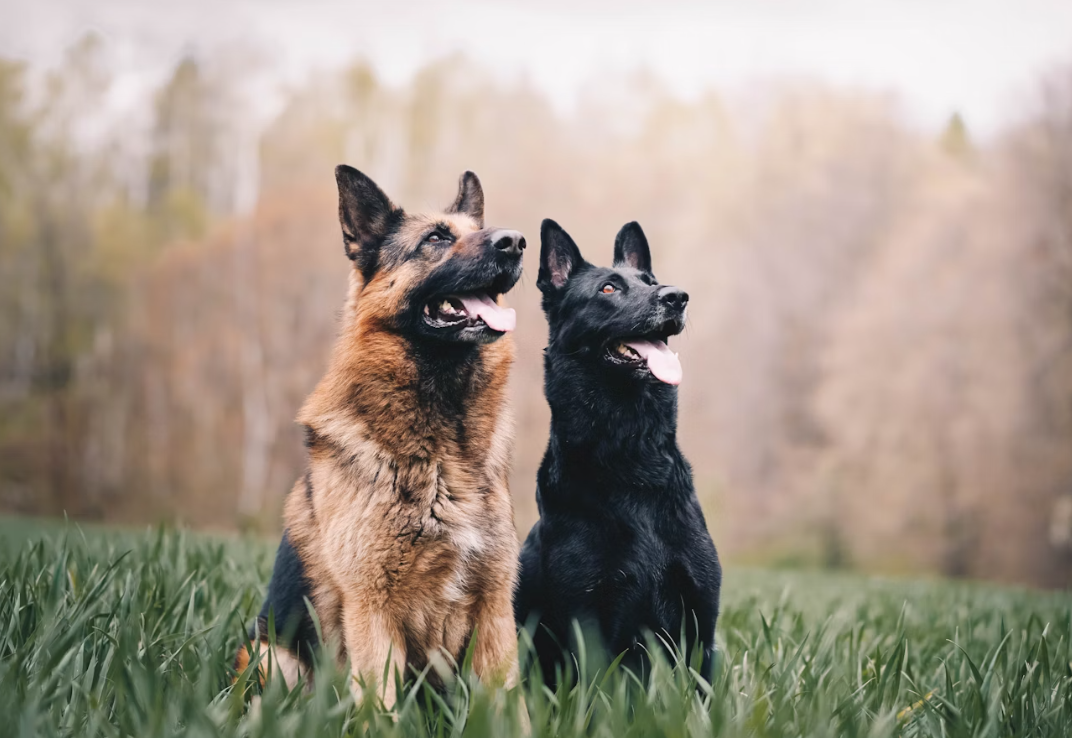
German Shepherds are one of the most intelligent, loyal, and versatile breeds, but as they age, their needs change dramatically. Pet parents often have a lot of questions once their German Shepherd enters the senior stage of life… generally around 7 to 8 years old. From joint health to cognitive decline, caring for an older German Shepherd requires a thoughtful, proactive approach. Here are some of the most common questions owners ask and insights to help keep your senior GSD happy, healthy, and comfortable.
1. Mobility and Joint Health
One of the first things owners notice is that their German Shepherd slows down. Hip and elbow dysplasia, arthritis, and general joint stiffness are common in this breed. Owners often ask, “Why is my dog reluctant to climb stairs or jump into the car?” Pain from inflamed joints is usually the reason. Regular vet visits, joint supplements (like glucosamine and chondroitin), anti-inflammatory medications, and low-impact exercise such as swimming or short, frequent walks can make a huge difference.
2. Cognitive and Sensory Changes
Many owners worry when their senior Shepherd seems confused or disoriented in familiar places. Occasional disorientation can be part of normal aging, but frequent confusion…like getting “stuck” in corners, pacing at night, or failing to recognize familiar people, may signal canine cognitive dysfunction (CCD), a condition similar to Alzheimer’s disease. CCD affects memory, learning, and awareness. A veterinary checkup is important to rule out other causes, such as vision or hearing loss or vestibular disease. There are prescription diets, supplements like omega-3 fatty acids, and enrichment activities that can help slow cognitive decline and keep your Shepherd engaged.
 Vision and hearing loss are also common in older German Shepherds. Watch for signs like bumping into furniture, hesitating in low light, or ignoring commands they previously obeyed. Adapt your home with night lights, teach hand signals, and keep routines predictable to reduce stress and confusion.
3. Nutrition and Weight Management
Another common question is, “Should I switch to senior dog food?” The answer is usually yes. Senior formulas often have fewer calories to prevent weight gain, joint-supporting nutrients, and easily digestible proteins. Older German Shepherds may lose muscle mass, so maintaining an appropriate weight while supporting muscle tone is critical. Regular weigh-ins and portion control can prevent obesity, which worsens joint problems.
4. Pain Management and Comfort
Owners often ask how to know if their dog is in pain. Subtle signs include changes in posture, reluctance to lie down or get up, licking joints, or avoiding play. Your vet can recommend pain relief options ranging from NSAIDs to alternative therapies like acupuncture, laser therapy, and canine massage. Orthopedic beds, ramps, and non-slip rugs help keep your Shepherd comfortable at home.

Are you finding this article useful? Would you like 100% free access to more articles like these, and free access to over 5,000 vetted pet care service professionals throughout the United States? Sign up here for a free Petworks account, and we’ll email you a 10% discount code, good towards your first pet care services booking on Petworks!
5. Preventative Care and Veterinary Visits
Senior German Shepherds benefit from more frequent checkups — ideally every six months. Owners often ask what screenings are necessary. Vets may recommend annual bloodwork, urinalysis, X-rays, and joint exams to catch problems early. Early detection of conditions like diabetes, kidney disease, or cancer can significantly improve outcomes.
6. Behavior and Emotional Needs
Some pet parents notice personality changes, such as irritability or anxiety. This can stem from pain, sensory decline, or cognitive dysfunction. Maintaining a calm environment, using positive reinforcement, and providing mental enrichment can reduce stress. Gentle play, puzzle toys, and sniffing games keep older Shepherds mentally engaged.
7. End-of-Life Considerations
Many owners struggle with questions about quality of life. “How do I know when it’s time?” is a heartbreaking but common question. Veterinarians use quality-of-life scales to assess pain, appetite, mobility, and happiness. Hospice care, palliative treatments, and in-home euthanasia services can make a dog’s final days peaceful and dignified.
8. Home and Lifestyle Adjustments
Senior German Shepherds thrive with consistency. Keep mealtimes, walks, and bedtime on a predictable schedule. Consider installing ramps, using elevated food bowls, and providing orthopedic support. Mental stimulation, such as scent work and training refreshers, helps prevent boredom.
Caring for an older German Shepherd is about anticipating changes and making adjustments before they become problems. With regular vet care, proper nutrition, pain management, and emotional support, you can help your loyal companion enjoy their golden years with dignity and comfort.
About Petworks
 In 2021, Dr. Marty Goldstein DVM joined the pet care platform Petworks as an advisor in its Animal Nutrition care division. Dr Marty Nature’s Blend is on a mission to help your pets live their healthiest lives possible. Dr. Marty’s pet nutrition expertise and guidance has helped Petworks evolve and become the preeminent animal and pet nutrition consultation service for pet parents in North America.
 In 2022, Blue Buffalo Founder Bill Bishop Jr. joined Petworks as Senior Advisor in our Animal Nutrition Care Division. Bill brings his extensive expertise in pet food innovation and business leadership. His guidance helps Petworks enhance our pet nutrition service offerings, helping to ensure that pet parents throughout the world receive trusted, science-backed nutritional support for their dogs, cats, and animals.
About The Author
 Petworks Co-Founder Kevin Kinyon is a life-long animal lover who works tirelessly to improve the lives of pets and their parents. Human and animal qualities he values most are integrity, humor, and empathy.

 petworks tm