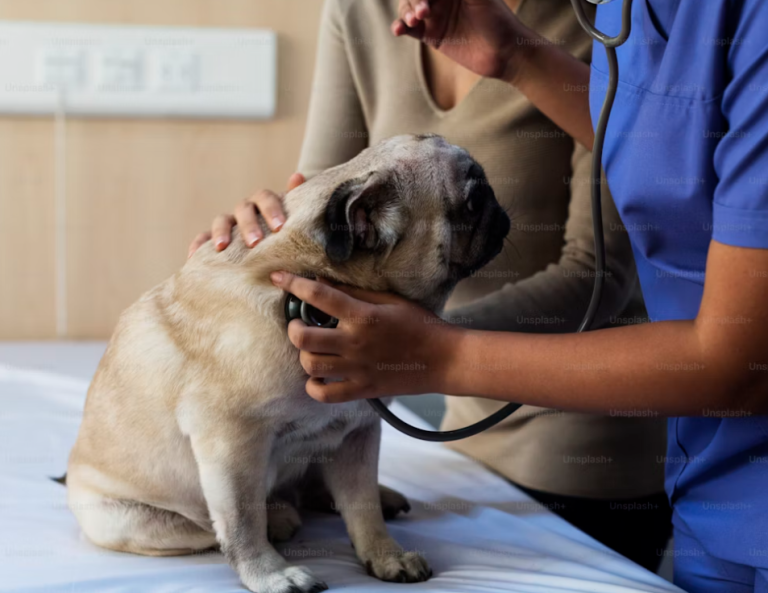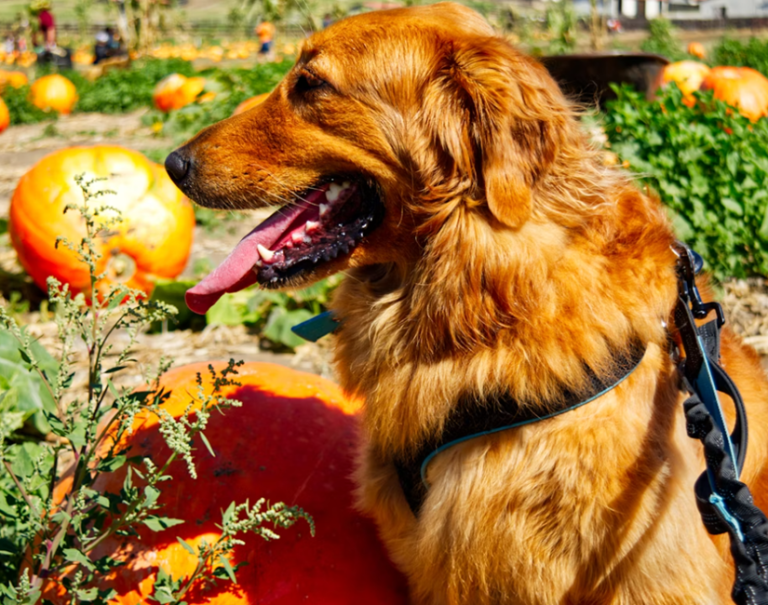
Proper nutrition is essential for your dog’s health, energy, and longevity. While commercial dog foods claim to provide balanced diets, understanding the role of macronutrients: protein, fat, and carbohydrates – can help you make informed decisions for your furry friend. In this article, we’ll break down each macronutrient, explain its importance, and offer practical tips to ensure your dog gets the nutrients they need. (more…)
Category: Dog Nutrition Information

Consulting with a dog nutritionist offers numerous benefits that can significantly enhance your dog’s overall health and well-being. A dog nutritionist specializes in understanding the specific dietary needs of different breeds, ages, and health conditions. This allows them to create a personalized nutrition plan tailored to your dog’s unique requirements. This customized approach can help prevent and manage common issues such as obesity, allergies, and digestive problems. And even behavioral concerns that may be linked to diet.
Additionally, a nutritionist can guide you in choosing the highest quality ingredients and the right balance of nutrients, ensuring your dog receives optimal nourishment for a long, healthy life. By addressing specific health concerns and promoting overall vitality, a canine nutritionist can also help extend your pet’s lifespan, reduce the need for medical interventions, and improve their quality of life.
The cost of hiring a canine nutritionist can vary depending on location, expertise, and the complexity of your dog’s dietary needs. On average, a session with a canine nutritionist ranges from $75 to $200. Initial consultations, which typically involve a detailed assessment and custom meal planning, may be on the higher end of this spectrum. Follow-up sessions are often less expensive, especially if they involve minor adjustments to an existing plan. Whether you’re dealing with a health issue or simply want to ensure your dog is receiving the best possible care, a consultation with a canine nutritionist provides valuable insights and support to help your dog thrive.
What Is The Best Dog Food For Golden Retrievers?
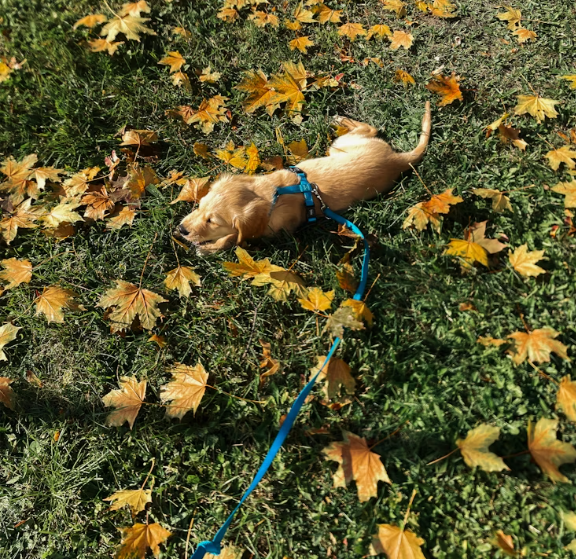
The Best Diets for Golden Retrievers: A Comprehensive Guide. Golden Retrievers are one of the most popular dog breeds, prized for their friendly, intelligent, and loyal nature. A balanced and nutritious diet is key to keeping your Golden healthy, energetic, and happy. This guide covers the best dietary choices for Golden Retrievers, including recommended food types, essential nutrients, canine nutritionist consultation options, and helpful feeding tips.
How Can I Keep My Havanese Healthy As They Age?
Health and Wellness Guide for the Havanese Dog Breed. The Havanese is a charming, affectionate, and intelligent toy breed known for its silky coat and lively personality. Originating from Cuba, this small but sturdy dog thrives in loving homes where it receives proper care, training, and nutrition. To ensure a Havanese lives a long and happy life, pet parents must focus on comprehensive health and wellness strategies.
Top 3 Pet Nutrition Tips For Your New Puppy
In 2021, through the midst of the Covid pandemic, lots of people found their new love in a brand new dog. Many dogs were rescued and found amazing new homes. Fast forward to 2026, and I have noticed a continued trend in people getting new puppies. Now let’s talk puppy nutrition.
This is super exciting, and I love that new pet parents reach out to make sure they’re on their way to a long and healthy relationship with their new fur baby. However, some of the new practices I am seeing are disturbing to me as a Clinical Pet Nutritionist. So please listen up, because the internet, friends, family, and the people at the dog park are giving you the wrong nutritional advice which could harm your new puppy and have detrimental consequences!
Puppy Nutrition. Let me explain. Many videos and recipes are out there on how to feed your new dog from homemade recipes to kibble to freeze-dried foods. You name it, and everyone has free advice for your new puppy. But, did you know when you get it wrong that it can be harmful to your new puppy?
Puppy Nutrition 101
1. Vitamins and Supplements are Key!
Let’s start with the whole vitamin-mineral supplementation process. Lots of people are creating recipes that do not acknowledge a dog’s need for very specific vitamins and minerals. Likewise, if these vitamins and minerals are not given correctly, this can compromise a puppy’s health. Many people who utilize these recipes end up giving their dogs unbalanced sources of vitamins and nutrients. When this happens and our puppies do not receive the correct vitamins and minerals, let me tell you what can happen. How about the lady whose new Labrador retriever ended up with 4 broken legs after 4 months of feeding from a homemade diet. Yup, she didn’t realize there is a very specific ratio for calcium and phosphorus for a growing puppy.
Or, how about the person who gave a heap load of rice and not enough protein. All dogs, including growing dogs, middle aged dogs, and especially senior dogs, need protein in their diets.
There are several vitamin and mineral supplements on the market today. What people don’t understand are these are not a complete supplement for a homemade diet. Most of the supplements will state to use in “addition” to your dry food or balanced diet. In other words, they do not have the correct ratio by themselves. In these cases, even though you may think you’re feeding the right supplement, it’s probably not enough or the correct balance.
Now, let’s get into treats. Our puppies love treats and we love buying them! However, let me caution you about 2 treats that you need to be aware of for the sake of safety.
2. Be Careful With Your Beef Liver Treats
Most treats also contain certain vitamins and minerals, and it is important to pick a treat that has the right balance for your dog and their diet. Our first treat to be cautious of is beef liver treats. Recently, researchers are finding harmful effects in feeding your puppy beef liver treats in combination with your dogs regular diet. Specifically, if you give your dog just four beef liver treats a day, along with the food you are feeding, your dog may be getting too much copper. Copper is a mineral our dog’s need. However, if given in excess, copper can have harmful and adverse effects.
3. Throw Out the Jerky Treats!
Secondly, jerky treats have had several reports to the FDA s in reference to making dogs sick. Typically, these treats are made in the USA. However, on the package in the fine print, it tells you the ingredients are from a foreign country. So, please avoid these treats. Look for treats that are a single-protein treat like heart, kidney, and lung. These are examples of high value animal nutrition treats that your puppy will love! Don’t be like the one client who gives her dog 2 hot dogs a week as training treats, and the dog is 5 pounds overweight. To justify, she told me the dog will do anything for a hot dog. I asked her if she ate hot dogs and received the response, ”of course not, they’re not good for you”! Boom, that’s right: not good for you, or your dog!

Are you finding this article useful? Would you like 100% free access to more articles like these, and free access to over 5,000 vetted pet care service professionals throughout the United States? Sign up here for a free Petworks account, and we’ll email you a 10% discount code, good towards your first pet care services booking on Petworks!
Puppy Nutrition Advice FAQs
1. What should I feed my puppy?
Choose a high-quality commercial puppy food that meets AAFCO growth standards. These formulas contain the right balance of protein, fat, vitamins, and minerals for healthy development.
2. How often should a puppy eat?
Most puppies need 3–4 small meals per day until about six months old, then you can transition to two meals daily.
3. Do puppies need different food than adult dogs?
Yes. Puppies require more calories, protein, and nutrients to support rapid growth, so always choose a food labeled for “growth” or “all life stages.”
4. Can I give my puppy human food?
Some plain foods—like cooked chicken, pumpkin, or rice—are safe in small amounts, but many human foods are toxic. Always check before offering table scraps.
5. How do I know if my puppy’s diet is working?
Healthy weight gain, shiny coat, good energy, and normal stools are good signs. If you notice vomiting, diarrhea, dull coat, or slow growth, consult your vet or a dog nutrition specialist.
6. When can I switch from puppy food to adult food?
Most dogs switch around 12 months, but large breeds may need puppy food for up to 18–24 months. Ask your vet for breed-specific guidance.
“Proper puppy nutrition is about more than choosing a premium food. It’s about selecting a diet formulated for growth that has been through rigorous feeding trials. Growing dogs have very specific nutrient requirements, and meeting them consistently is essential for lifelong health.” – Dr. Lisa M. Freeman, DVM, PhD, DACVIM (Nutrition), Tufts University, paraphrased from her published guidance on puppy and pet nutrition.
Proper Puppy Nutrition
So, if you have a new puppy or an old dog, here 3 things to remember: don’t try and do a balanced diet for your new puppy without a professional’s expert knowledge on balancing their diet, please don’t feed liver treats, especially beef, and throw out the jerky treats. Always think single-protein, high value treats for your pup. To all my new puppy owners, make sure you follow these tips and start the road out right! With these tips in your mind and your dogs health at priority, maybe the recently discovered 30 year old Guinness Book of Records World’s Oldest Dog could be YOUR dog. Now, wouldn’t that be fantastic!
About the Author

Hi, I’m Debbie Brookham and I am a Certified Clinical Pet Nutritionist, Dog Nutritionist, Cat Nutritionist, Raw Food Specialist, and Healthy Pet Coach. I can help with generalized food questions, special needs diets, and recommendations. I can share my knowledge with you when it comes to allergies, weight loss, kidney diet, pancreatitis diet and more. If you’re struggling with an itchy dog there are food and supplements that I can recommend. If you have been to the Vet for allergy testing, I can help you get your dog on the right food!
About Petworks
In 2021, Dr. Marty Goldstein DVM joined the pet care platform Petworks as an advisor in its Animal Nutrition care division. Dr Marty Nature’s Blend is on a mission to help your pets live their healthiest lives possible. Dr. Marty’s pet nutrition expertise and guidance has helped Petworks evolve and become the preeminent animal and pet nutrition consultation service for pet parents in North America.
In 2022, Blue Buffalo Founder Bill Bishop Jr. joined Petworks as Senior Advisor in our Animal Nutrition Care Division. Bill brings his extensive expertise in pet food innovation and business leadership. His guidance helps Petworks enhance our pet nutrition service offerings, helping to ensure that pet parents throughout the world receive trusted, science-backed nutritional support for their dogs, cats, and animals.
Petworks Co-Founder Kevin Kinyon is a life-long animal lover who works tirelessly to improve the lives of pets and their parents. Human and animal qualities he values most are integrity, humor, and empathy.
Should I Worry When My Dog Coughs and Gags?
If your dog is coughing or gagging, it’s natural to worry. Dogs can cough or gag for many reasons, some minor, some serious. Understanding the causes, symptoms, and when to seek veterinary care is crucial to keeping your dog healthy.
Common Causes of Dog Coughing
Coughing is a natural reflex to clear the airways, but frequent or severe coughing in dogs can indicate health problems. Here are the most common causes:
Kennel Cough
Kennel cough, or infectious tracheobronchitis, is a contagious respiratory infection. Dogs often develop a dry, hacking cough that sounds like honking. It spreads quickly in places where dogs gather, like dog parks, boarding facilities, or daycare.
Symptoms to watch for:
-
Persistent dry cough
-
Sneezing or nasal discharge
-
Mild fever or lethargy
Most healthy dogs recover on their own, but puppies or older dogs may require veterinary care.
Heart Disease
Coughing can signal heart problems, such as congestive heart failure, which can cause fluid buildup in the lungs or around the heart.
Symptoms to watch for:
-
Coughing at night or during rest
-
Difficulty breathing
-
Fatigue
-
Swollen abdomen or limbs
Early detection improves outcomes, so consult a vet promptly if these signs appear.
Respiratory Infections
Bacterial, viral, or fungal infections can affect a dog’s respiratory system.
Symptoms to watch for:
-
Persistent cough or gagging
-
Runny nose
-
Fever
-
Lethargy
Treatment varies depending on the infection, and a vet can recommend the right course of action.
Allergies
Dogs can have environmental or food allergies, leading to coughing, gagging, and sneezing.
Symptoms to watch for:
-
Dry cough
-
Itchy skin or excessive licking
-
Watery eyes or runny nose
Veterinary guidance helps identify triggers and manage symptoms.
“While dog gagging can be a harmless behavior, there are things you need to know and be aware of so that you know when it’s time to visit your veterinarian.” – Sandra C. Mitchell, DVM
Foreign Objects
Dogs may swallow or inhale small objects, causing sudden coughing or gagging.
Symptoms to watch for:
-
Intense, sudden coughing or gagging
-
Pawing at the mouth or throat
-
Difficulty breathing
Immediate veterinary attention is necessary to prevent choking or internal injury.
Tracheal Collapse
Small breed dogs are prone to tracheal collapse, causing a honking cough.
Symptoms to watch for:
-
Persistent honking cough
-
Difficulty breathing
-
Gagging during activity
Treatment may include medication, weight management, or surgery.
Heartworm Disease
Heartworm disease affects the lungs and heart. Early signs often include coughing and gagging.
Symptoms to watch for:
-
Coughing after activity
-
Fatigue
-
Labored breathing
Preventive medication is key to protection.
Lung or Throat Tumors
Older dogs or those with chronic respiratory issues may develop tumors affecting the lungs or throat.
Symptoms to watch for:
-
Persistent cough
-
Difficulty swallowing
-
Weight loss
-
Lethargy
Diagnosis often requires imaging, and treatment varies depending on tumor type.
Understanding Gagging in Dogs
Gagging differs from coughing and usually involves a retching motion. Common causes include:
-
Reverse sneezing: Harmless, spasmodic inhalation.
-
Eating or drinking too quickly: Can trigger gagging or choking.
-
Throat irritation: Allergens, infections, or foreign objects.
-
Dental or oral issues: Infection or masses making swallowing difficult.
Warning Signs That Require a Vet
You should contact a veterinarian immediately if your dog shows:
-
Persistent or worsening cough or gagging
-
Difficulty breathing or wheezing
-
Blue or pale gums
-
Sudden severe coughing or gagging
-
Signs of choking
-
Coughing with vomiting or blood
Even mild, persistent symptoms warrant a veterinary check-up.

Are you finding this article useful? Would you like 100% free access to more articles like these, and free access to over 5,000 vetted pet care service professionals throughout the United States? Sign up here for a free Petworks account, and we’ll email you a 10% discount code, good towards your first pet care services booking on Petworks!
How to Support Your Dog at Home
While some causes require professional care, you can take steps at home to support your dog:
-
Observe and record symptoms: Video recordings help your vet.
-
Control environmental triggers: Reduce smoke, dust, and allergens.
-
Feed smaller, slower meals: Prevent gagging after eating.
-
Maintain healthy weight: Reduces strain on heart and lungs.
-
Keep up with vaccinations and preventives: Protect against infections and heartworm.
When to See a Veterinarian
A vet can perform a physical exam and recommend diagnostic tests such as:
-
Chest X-rays or ultrasounds
-
Blood work
-
Heartworm testing
-
Throat or nasal exams
Early intervention improves outcomes for serious conditions.
Preventive Measures for Dog Coughing and Gagging
Prevention helps reduce the risk of coughing and gagging:
-
Vaccinations: Bordetella (kennel cough) vaccine and others.
-
Regular vet check-ups: Detect health issues early.
-
Safe play and supervision: Prevent swallowing or inhaling objects.
-
Healthy lifestyle: Balanced canine diet and exercise to support heart and lung health.
Coughing and gagging in dogs can be alarming, but not all cases are serious. Causes range from minor issues like allergies or eating too quickly to serious conditions such as heart disease, respiratory infections, or airway obstructions.
Monitoring your dog, recording symptoms, and consulting a veterinarian when needed ensures your dog receives timely care. Awareness of warning signs and potential causes is key to keeping your furry companion healthy and happy.
When in doubt, it’s always safer to have a professional evaluate your dog. Early detection and treatment can make a significant difference in your dog’s health and quality of life.
FAQ: Dog Coughing and Gagging
Why is my dog coughing all of a sudden?
A: Sudden coughing in dogs can be caused by respiratory infections, allergies, heart problems, or inhaling a foreign object. Persistent or severe coughing should be evaluated by a veterinarian.
When should I worry about my dog gagging?
A: Worry if gagging is accompanied by difficulty breathing, blue gums, vomiting, blood, or if it happens frequently. These may indicate serious conditions that need immediate veterinary care.
Can my dog’s coughing be caused by allergies?
A: Yes, environmental or food allergies can trigger coughing, gagging, sneezing, and itchy skin. A vet can help identify triggers and recommend treatment.
How can I prevent my dog from coughing and gagging?
A: Keep vaccinations up to date, use heartworm preventives, avoid smoke and allergens, feed smaller meals, and monitor your dog’s weight and activity.
What are the most common serious causes of coughing and gagging in dogs?
A: Serious causes include heart disease, heartworm disease, lung or throat tumors, tracheal collapse, and respiratory infections. Early veterinary care is critical.
About Petworks
In 2021, Dr. Marty Goldstein DVM joined the pet care platform Petworks as an advisor in its Animal Nutrition care division. Dr Marty Nature’s Blend is on a mission to help your pets live their healthiest lives possible. Dr. Marty’s pet nutrition expertise and guidance has helped Petworks evolve and become the preeminent animal and pet nutrition consultation service for pet parents in North America.
In 2022, Blue Buffalo Founder Bill Bishop Jr. joined Petworks as Senior Advisor in our Animal Nutrition Care Division. Bill brings his extensive expertise in pet food innovation and business leadership. His guidance helps Petworks enhance our pet nutrition service offerings, helping to ensure that pet parents throughout the world receive trusted, science-backed nutritional support for their dogs, cats, and animals.
About The Author
Petworks Co-Founder Kevin Kinyon is a life-long animal lover who works tirelessly to improve the lives of pets and their parents. Human and animal qualities he values most are integrity, humor, and empathy.