Open Wide: Understanding your Pet’s Teeth
by Dr. Robert Zepeki, DVM CVCP, owner of Village Animal Group.

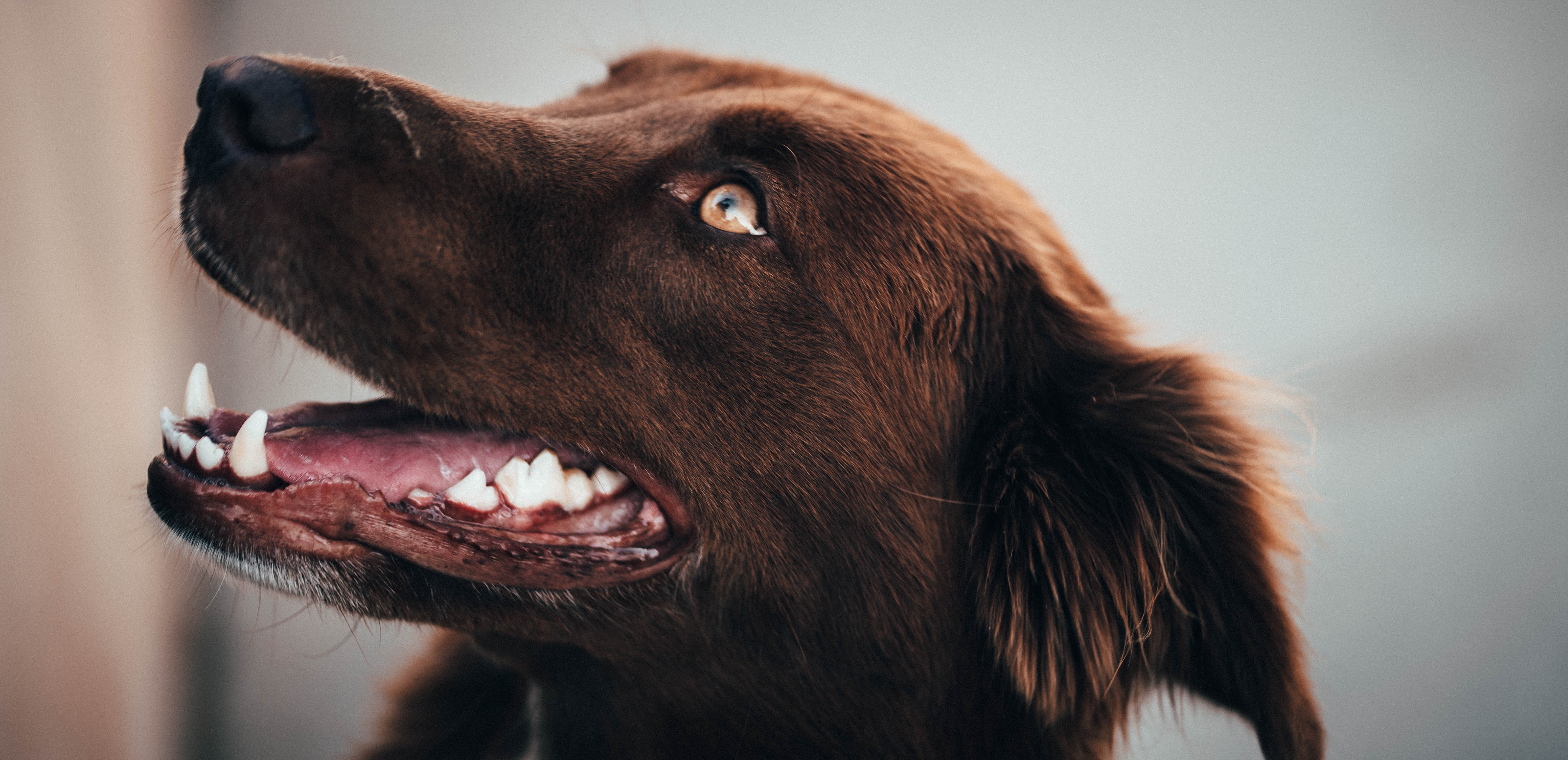
Did you know that the brains of cats and dogs are very similar to our own? A smaller portion of the brain is dedicated to intelligence but they have the same major nerves and are close to us in their capacity for memory. As you know, their sense of smell, sight, and hearing all exceed our ability. You may have also realized that dogs and cats don’t really chew much. In fact, they mostly rip, tear, and swallow their food. A pet’s teeth, though quite different from ours, require regular check-ups to keep your furry companion happy and healthy. Here is a closer look at canine and feline chompers and how you can keep your pet smiling, and help proper pet dental hygiene for your beloveds.

(more…)

CBD Oil for Pets

CBD Oils for Pets

by April Cox, owner of Rocky’s Retreat

Has your dog lost his appetite? Does your dog have anxiety? There may be a natural choice in alleviating these conditions. You may not be aware of this, but CBD oil for dogs is helpful for your pup in a lot of ways. Here’s why you should consider CBD oil for your dog today. (more…)

July 4th: A Dog’s Worst Nightmare!

Dog with flag bandana

by Team Petworks

Every year, the 4th of July promises hotdogs and hamburgers, sparklers and fireworks and most importantly – family and friends gathered together to celebrate America’s independence. These festivities usually include all members of the family, even the furry ones, in large groups after dark. While we cherish this time under a sky illuminated by fireworks, it is important to consider how pets feel amidst the unexpected bursts of noise and burning light.  (more…)

A Balanced Equine Nutrition Diet

by Dr.  Stephen Duren, Ph.D. in Equine Nutrition and Exercise Physiology and owner of Performance Horse Nutrition, LLC

For those people who own horses, properly feeding them is an important responsibility. A nutritionally balanced diet will allow horses to perform, reproduce, grow and maintain their health. However, with the current economy how do horse owners balance their horses’ diets under a barrage of economic pressure?  (more…)

Hurricane Season – Pet First Aid and CPR

By Michelle Patel, Owner of Pet Life Saver in Jacksonville, Florida

Hurricane season is upon us.  When making preparations for possible evacuations, it is important to plan for our furry family members also.  The last thing you want to do is leave your pet home in an emergency to fend for him or herself.  Preplanning takes much of the stress out of an emergency situation when it arises.  Before the storm is approaching, do some research on animal friendly shelters.  Know your evacuation routes and scope out hotels that are pet friendly. Keep their contact information handy so that you can book a room as soon as you know you will need one. When disasters are imminent, rooms (especially pet friendly ones) book up quickly. Keeping your pet up to date on vaccinations is not only good for their health, but also up to date vet records are often a requirement for bringing an animal to a shelter or hotel.

Evacuating as soon as possible will greatly reduce your travel time. The closer people wait until mandatory evacuations, the more congested the roadways get. When traveling with your pet, you will want a minimum of three days worth of medications, food/treats, toys, water, a towel or blanket, litter and a litter pan (for cats), a first aid kit, paper towels, trash bags, carrier, and leash/harness. If you keep these items in a large bin, that is one item off of your to do list when an emergency strikes.  Everything is already together (except for the perishables that need to be packed last minute), and you can simply grab the bin.

If you do not plan to travel with your pet, have several boarding options available. Do research ahead of time to know which vet offices and boarding facilities will board during a disaster.  Make sure you have their 24-hour contact information handy, as one can never be sure when a disaster will strike.

If you decide not to evacuate for whatever reason, figure out the safest room in your home and set up camp together there. Make sure there are no unsafe areas where frightened pets can run off to, hide in, and escape your reach.  Keep poisonous substances out of your pet’s reach.  Bring any outdoor pets inside at the first sign of approaching danger. Keeping dogs on leashes and cats in carriers prevents you from having to round them up if you need to leave in a hurry.  Monitor the situation via radio, television, or cell phone regularly, and do not leave your home until it is safe to do so.

Sometimes disaster can strike while you are away, and you cannot get to your pets at home.  It is always advisable to have someone trustworthy that can access your home and care for your pets in the event you are unable to.  Carrying a card on your person at all times with instructions on who to contact in the event of an emergency is helpful to emergency personnel if anything were ever to happen to you and you could not get to your pets.

The first line of defense against a pet getting lost is ensuring proper identification.  Ideally, two forms of identification should be on the pet at all times.  A permanent form of ID (such as a microchip or tattoo) is recommended.  Since these are permanent, they cannot be removed from your pet.  A veterinarian can read these and get in touch with you.  Additionally, a collar with identification tags containing the address and phone number to the pet parent increases the likelihood that someone who finds your pet will be able to reach out to you.  It is critical to keep the contact information up to date at all times.  GPS trackers that are located on your pet’s collar are also becoming quite popular.  In case you ever need to show proof of ownership, it is a good idea to always carry a photo of you and your pet.  When it comes to our pets, we can never be too cautious.

Always being prepared for a hurricane would come in handy if any other emergency were to come about as well.  We never know when a fire, flood, tornado, break in, terrorist attack, etc. could happen.

***

About the Author:

Michelle Patel is the owner of Pet Life Saver, where she teaches pet CPR and first aid classes.  She has lived in Jacksonville for the past 14 years.  Ever since Michelle can remember, animals have always held a special place in her heart.  She currently has three cats: Baby Girl, General, and Manny.
Additional Links: